The #1 source for up-to-date news on agricultural drones, precision farming, automation, and AI in agriculture.
Stay up to date with the latest Ag-Technology innovations!


The Future of Farming is Here! 🌾 How AI is Revolutionizing Agriculture
Introduction
Imagine a world where farms operate with the precision of a well-oiled machine, responding to the slightest changes in weather, soil quality, and crop health with unparalleled accuracy. This isn’t a scene from a futuristic sci-fi movie; it’s happening right now, thanks to the marvels of Artificial Intelligence in agriculture. Just like how smartphones revolutionized communication, AI is transforming farming practices, making them more efficient, sustainable, and productive.
Farming has always been a cornerstone of human civilization. However, with the global population expected to reach 9.7 billion by 2050, traditional farming methods simply cannot keep up. Farmers are facing unprecedented challenges, from climate change and soil degradation to labor shortages and water scarcity. Enter AI—the game-changer that is setting new standards in agriculture and ensuring food security for future generations.
In this blog post, we’ll explore how AI is revolutionizing agriculture, from smart sensors and drones to predictive analytics and autonomous machinery. Whether you’re a farmer, a tech enthusiast, or someone with a keen interest in sustainable practices, you’ll find that the future of farming is not just promising but already here.
The Role of AI in Modern Agriculture
Precision Farming
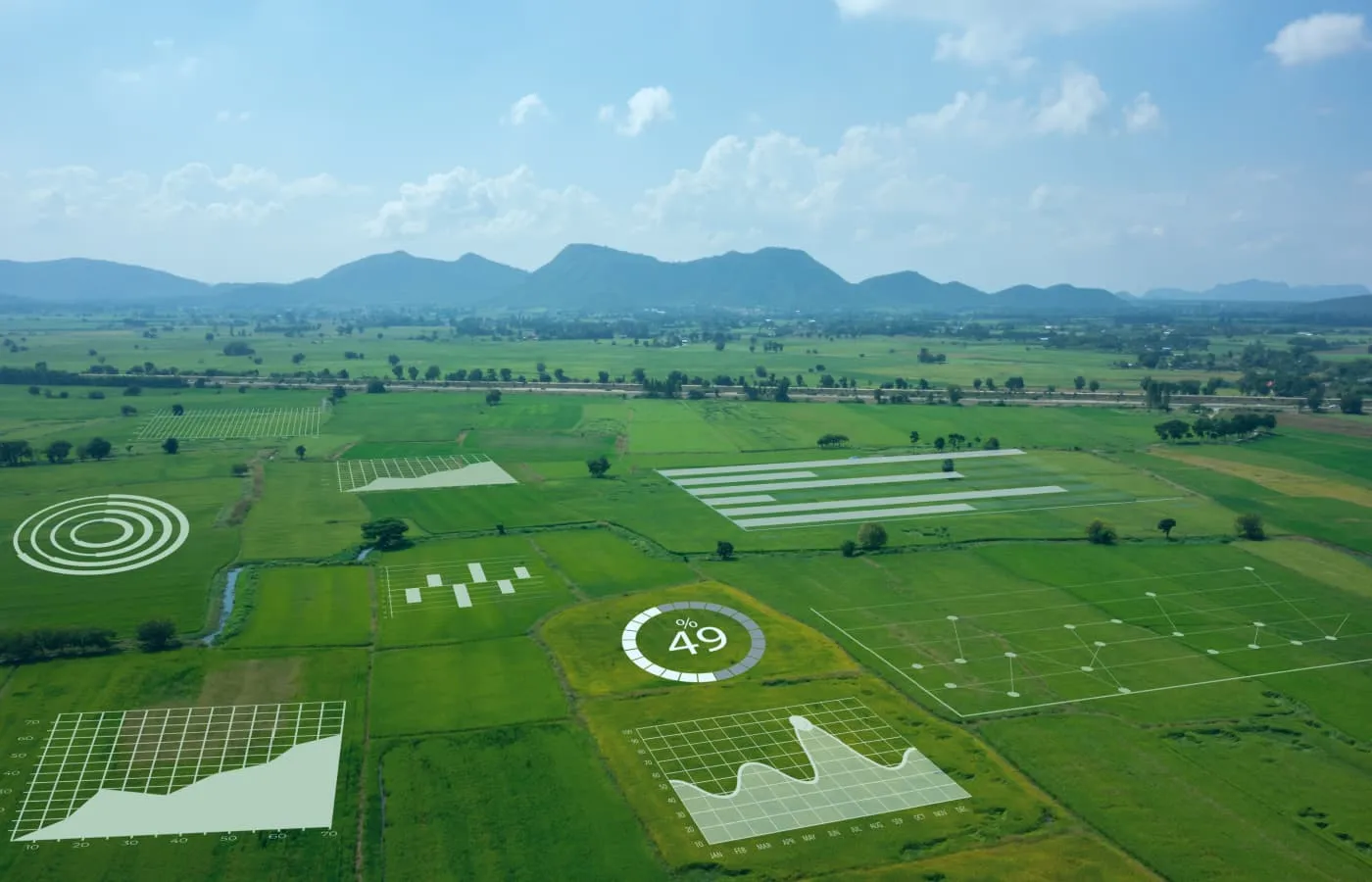
Precision farming, or precision agriculture, is a farming management concept based on observing, measuring, and responding to inter and intra-field variability in crops. With AI, precision farming has reached new heights:
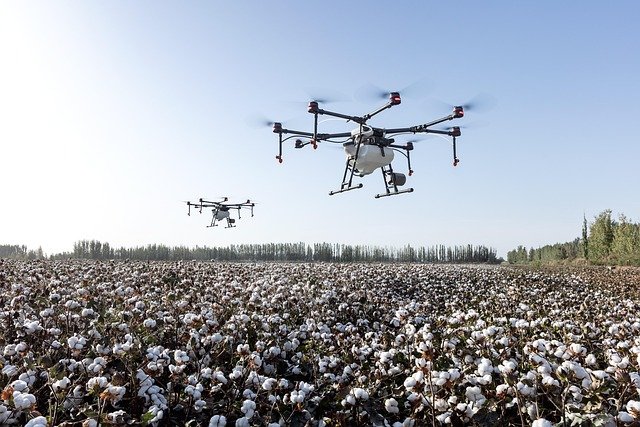
- Soil and Crop Monitoring: AI-powered sensors and drones collect data on soil moisture, nutrient levels, and crop health. This data is analyzed to provide real-time insights, allowing farmers to make informed decisions on irrigation, fertilization, and pest control.
- Variable Rate Technology (VRT): AI algorithms help in optimizing the application of inputs like seeds, fertilizers, and pesticides. This not only maximizes yield but also minimizes waste, reducing the environmental impact.
Predictive Analytics
AI-driven predictive analytics play a crucial role in farm management:
- Weather Forecasting: Advanced AI models analyze historical weather data to provide accurate forecasts. Farmers can plan their activities around these predictions, reducing risks associated with unexpected weather changes.
- Yield Prediction: AI can predict crop yields based on various factors such as weather conditions, soil quality, and crop management practices. This helps in better planning and resource allocation.
Autonomous Machinery
The use of autonomous machinery is becoming increasingly common in modern agriculture:
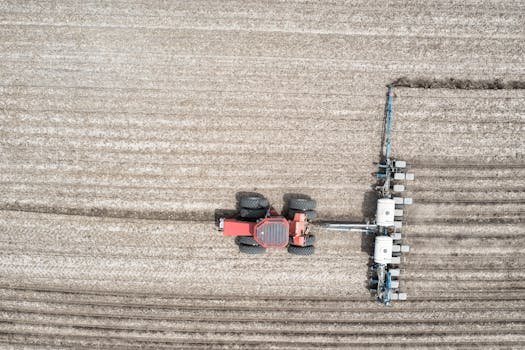
- Self-driving Tractors: Equipped with AI and GPS technology, these tractors can perform tasks like plowing, seeding, and harvesting with minimal human intervention.
- Robotic Harvesters: These robots use AI to identify ripe produce, picking fruits and vegetables with precision and reducing post-harvest loss.
AI and Sustainable Agriculture
Reducing Environmental Impact
AI contributes significantly to sustainable agriculture by:
- Optimizing Resource Use: AI helps in the efficient use of water, fertilizers, and pesticides, reducing the carbon footprint of farming.
- Enhancing Biodiversity: By promoting precision farming, AI supports crop diversification, enhancing soil health and ecosystem resilience.
Climate Change Adaptation
With AI, farmers can adapt to the impacts of climate change:
- Resilient Crop Varieties: AI aids in the development of crop varieties that are resistant to drought, pests, and diseases.
- Smart Irrigation Systems: AI-driven irrigation systems ensure optimal water usage, conserving this precious resource in the face of changing climate patterns.
Challenges and Future Prospects
Challenges
Despite its potential, AI in agriculture faces several challenges:
- High Initial Costs: The implementation of AI technology requires significant investment, which may be a barrier for small-scale farmers.
- Data Privacy Concerns: The collection and use of farm data raise concerns about data ownership and privacy.
- Skill Gap: There is a need for skilled personnel to manage and interpret AI-driven data and technologies.
Future Prospects
The future of AI in agriculture looks promising:
- Increased Adoption: As technology becomes more affordable, more farmers will adopt AI solutions, leading to broader benefits.
- Integration with IoT: The integration of AI with the Internet of Things (IoT) will enhance data collection and analysis, leading to smarter farming practices.
- Policy Support: Governments are recognizing the potential of AI in agriculture and are likely to offer support through subsidies and training programs.
Conclusion
AI is not just a tool for the future; it’s a present-day reality that is transforming the agricultural landscape. By enhancing productivity, ensuring sustainability, and mitigating the impacts of climate change, AI is empowering farmers to meet the challenges of the 21st century. As we continue to push the boundaries of what’s possible, the future of farming looks brighter than ever.
Whether you’re a farmer looking to modernize your practices or an enthusiast eager to learn about cutting-edge technologies, AI in agriculture offers exciting opportunities to explore. Embrace the change and be part of the revolution that is shaping the future of our food systems.
The future of farming is not just about growing food—it’s about growing smarter. Let’s cultivate a future where technology and agriculture work hand in hand to nourish the world sustainably.
Get Involved
Want to learn more about how AI is revolutionizing agriculture? Stay tuned for our upcoming webinars and workshops where we dive deeper into the technology that’s changing the game. Sign up for our newsletter to keep updated on the latest trends and innovations in agricultural technology.
Join the Conversation
Have you experienced the impact of AI in agriculture? Share your stories and insights in the comments below. Let’s learn from each other and continue to innovate together.
Thank you for reading! If you found this post informative, feel free to share it with your network. Together, we can spread the word about the incredible potential of AI in agriculture.
—
Additional Resources:
Related Posts: The Rise of DIY Drones in Precision Agriculture | How Trimble’s Drone Tech is Powering the Next Generation of Precision Ag
External Resources: AgFunder | AgWeb
—
Related Posts: AI Farming 2025: Why Smart Agriculture Isn’t Just Hype | How Drones Detect Diseases in Real-Time
External Resources: USDA | AgFunder
—
Got Questions about Ag Drones or AI in farming? Check our FAQ
Or contact us for business information or sponsorship arrangements: Contact
Related Posts: Farm Smarter, Not Harder! The Best Spray Drone & Farm Automation Software – FAQs Answered! | The Future of Ag Robots: Drones as the First Step in Full Automation
External Resources: FAO | AgWeb
Get Practical Ag Drone Updates
Join for field-tested reviews, regulation updates, and buying guides.