The #1 source for up-to-date news on agricultural drones, precision farming, automation, and AI in agriculture.
Stay up to date with the latest Ag-Technology innovations!

FAQ
Frequently Asked Questions
This page answers common questions about agricultural drones, regulations, buying considerations, and operations.
For broader updates and deep-dive guides, visit the homepage feed and subscribe to the newsletter.
🚜 1. What Are Agriculture Drones & How Do They Work?
- Briefly explain what agriculture drones do, including spraying, mapping, and monitoring.
💡 2. What Are the Benefits of Using Spray Drones for Farming?
- Highlight efficiency, cost savings, precision spraying, and reduced labor.
⚙️ 3. What Are the Best Spray Drones Available Today?
- A list of top-rated models, including DJI Agras, XAG, and other leading brands.
🛠️ 4. What Software Do I Need for Spray Drones & Farm Automation?
- Cover flight planning, automated spraying, mapping, and data analytics software.
🔋 5. How Long Do Spray Drone Batteries Last & How Do I Extend Battery Life?
- Battery duration, charging times, and tips for maximizing battery efficiency.
📍 6. Do I Need a License to Operate a Spray Drone?
- Regulations, FAA requirements, and certification details for different regions.
💰 7. How Much Do Agriculture Drones Cost & Where Can I Buy One?
- Pricing breakdowns for budget, mid-range, and high-end models.
🏭 8. Can I Use Agriculture Drones on Any Type of Farm?
- Suitability for different crops, terrains, and farm sizes.
🛒 9. Where Can I Buy Spray Drones & Farm Automation Software?
- A list of online stores, manufacturers, and distributors.
🆘 10. What Are Common Issues With Spray Drones & How Do I Fix Them?
- Troubleshooting problems like connectivity issues, clogging, and flight stability.
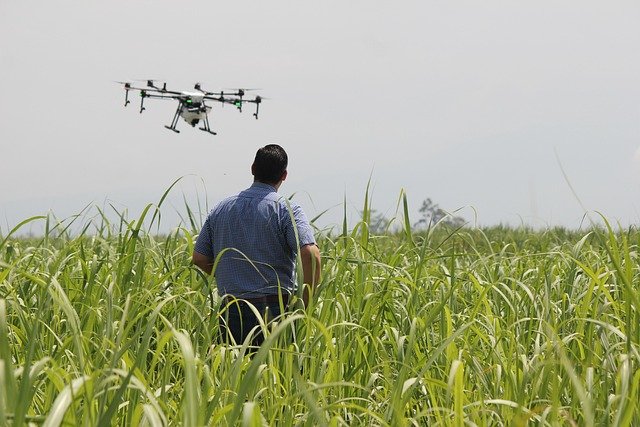
1. What Are Agriculture Drones & How Do They Work?
Agriculture drones are unmanned aerial vehicles (UAVs) designed specifically for farming applications such as crop spraying, field mapping, pest control, and precision agriculture. These drones help farmers automate labor-intensive tasks, increase efficiency, and improve overall crop yields.
How Do Agriculture Drones Work?
Agriculture drones use advanced GPS technology, sensors, and AI-powered software to navigate farmlands and perform specific tasks with precision. Here’s a step-by-step breakdown of how they function:
- Pre-Flight Planning:
- Farmers use drone software to map out flight paths, define field boundaries, and set parameters for tasks like spraying or imaging.
- Some drones come with autonomous flight features, reducing manual input.
- Navigation & Flight Control:
- Using GPS and RTK (Real-Time Kinematic) positioning, drones can fly in pre-programmed patterns or manually controlled routes.
- Many advanced drones have terrain-following capabilities, ensuring even spraying or mapping over uneven land.
- Data Collection & Analysis:
- Equipped with multispectral cameras, thermal sensors, and LiDAR, drones collect data about crop health, soil moisture, and pest infestations.
- This information helps farmers make data-driven decisions to optimize fertilizer use, irrigation, and pest control.
- Spraying & Application Systems:
- Spray drones carry liquid pesticides, fertilizers, or herbicides, which are released through precision nozzles.
- The system ensures uniform coverage, reducing chemical wastage and preventing over-spraying.
- Post-Flight Analysis & Reporting:
- After a flight, drones upload data to cloud-based platforms for analysis.
- Farmers can use this information to track crop growth, detect early disease signs, and plan future interventions.
Types of Agriculture Drones
Agriculture drones come in different types, depending on their purpose:
- Spray Drones: DJI Agras, XAG P100, and similar models designed for crop spraying.
- Mapping & Imaging Drones: Drones like the Parrot Anafi USA and DJI Phantom 4 RTK specialize in mapping and monitoring crop health.
- Seeding & Pollination Drones: Some drones, such as XAG’s R150, assist with seeding and artificial pollination.
Why Are Agriculture Drones Becoming Popular?
- Labor Shortages: With fewer farm workers available, automation helps fill the gap.
- Cost Savings: Reduces chemical wastage and increases efficiency.
- Sustainability: Minimizes overuse of fertilizers and pesticides, promoting eco-friendly farming.
- Precision Agriculture: Helps farmers make data-driven decisions for higher crop yields.
Conclusion
Agriculture drones are revolutionizing farming, offering efficiency, cost savings, and improved productivity. Whether for spraying, mapping, or monitoring crops, these UAVs provide a high-tech solution to modern farming challenges.
2. What Are the Benefits of Using Spray Drones for Farming?
Spray drones are transforming agriculture by offering precision, efficiency, and cost-effectiveness. Traditional crop spraying methods, such as manual spraying or tractor-based applications, are time-consuming and often lead to uneven chemical distribution. Spray drones solve these challenges by automating the process with pinpoint accuracy.
Key Benefits of Using Spray Drones in Farming
1️⃣ Increased Efficiency & Faster Coverage
Traditional sprayers, such as boom sprayers or handheld systems, are slow and require extensive labor. A spray drone can cover acres of land in minutes, reducing application time and freeing up farm workers for other tasks.
🔹 Example: The DJI Agras T40 can cover 52 acres per hour, making it 10x faster than manual spraying.
2️⃣ Reduced Chemical Wastage & Cost Savings
Spray drones use AI-powered nozzles and automated flight paths to ensure precise chemical application. This reduces chemical drift (spray blown by the wind) and prevents overuse.
🔹 Cost savings: Farmers report a 30-50% reduction in pesticide and fertilizer costs due to accurate spraying.
3️⃣ Improved Crop Health & Higher Yields
Because spray drones ensure even application, crops receive consistent nutrients and protection from pests, leading to healthier plants and increased yields.
🔹 Example: Farmers using spray drones in rice farming in Asia have reported 15-20% higher yields due to better pest control and fertilizer efficiency.
4️⃣ Access to Difficult Terrain & Wet Fields
Farmers often struggle to spray hilly areas, marshy land, or dense fields using tractors. Spray drones can fly over any terrain, ensuring full coverage without damaging crops.
🔹 Example: In regions with steep tea plantations, spray drones are the only viable solution for uniform chemical application.
5️⃣ Less Water Usage (Eco-Friendly Farming)
Spray drones require significantly less water compared to traditional boom sprayers. This is because they use ultra-low volume (ULV) spraying technology, which applies pesticides in fine droplets that require less dilution.
🔹 Water savings: Some farms report using up to 90% less water compared to tractor spraying.
6️⃣ Reduced Human Exposure to Chemicals
With traditional methods, farm workers are directly exposed to toxic pesticides and herbicides, leading to health risks. Spray drones eliminate the need for close contact, reducing the risk of poisoning or long-term illness.
🔹 Fact: A 2023 study found that drone spraying reduces human exposure to chemicals by over 95%.
7️⃣ Automation & Data-Driven Application
Modern spray drones come with AI-powered software that adjusts spray rates based on real-time crop conditions. Some models even integrate with NDVI (Normalized Difference Vegetation Index) imaging, allowing farmers to target specific areas that need more nutrients or pest control.
🔹 Example: The DJI Agras T30 can auto-detect weed-infested areas, applying more herbicide only where needed, saving costs.
Challenges of Using Spray Drones (and How to Overcome Them)
✅ Battery Life Limitations: Spray drones usually require frequent battery swaps. Investing in extra batteries and a fast charger ensures continuous operation.
✅ Regulatory Compliance: Many countries require licenses for agricultural drone operations. Check with local aviation authorities to ensure compliance.
✅ Initial Investment Cost: While drones save money long-term, they have an initial high cost ($5,000 – $50,000). Many governments offer subsidies for precision farming technology.
Conclusion
Spray drones optimize chemical usage, improve crop health, and increase efficiency, making them an essential tool for modern farmers. With benefits like cost savings, sustainability, and labor reduction, these drones are rapidly becoming the future of precision agriculture.
3. What Are the Best Spray Drones Available Today?
With the rise of precision agriculture, spray drones have become an essential tool for modern farmers. Choosing the best spray drone depends on factors like coverage area, payload capacity, battery life, and software compatibility. Below are the top spray drones available today and what makes them stand out.
🚀 Top Agriculture Spray Drones in 2025
1️⃣ DJI Agras T40 – Best Overall
✅ Payload: 40 liters
✅ Coverage: Up to 52 acres per hour
✅ Flight Time: ~20 minutes per battery
✅ Special Features: Dual atomized spraying, AI-powered terrain following
The DJI Agras T40 is one of the most advanced agricultural spray drones available. It features a massive 40L payload, powerful dual nozzles for fine mist spraying, and AI-driven obstacle avoidance for precision application. Ideal for large-scale farms, it ensures even coverage and reduces chemical wastage.
🔹 Best For: Large farms, commercial agriculture, and high-volume spraying.
2️⃣ XAG P100 – Best for Versatility
✅ Payload: 50 liters
✅ Coverage: 37 acres per hour
✅ Flight Time: 15-20 minutes
✅ Special Features: Multi-functional for spraying, spreading, and mapping
The XAG P100 is an all-in-one agricultural drone that can be used for spraying, seeding, and mapping. Its modular design allows easy conversion between functions, making it a cost-effective choice for farmers who want versatility.
🔹 Best For: Farmers needing both spraying and seeding in one drone.
3️⃣ DJI Agras T20P – Best for Small & Mid-Sized Farms
✅ Payload: 20 liters
✅ Coverage: ~25 acres per hour
✅ Flight Time: 15-20 minutes
✅ Special Features: RTK precision mapping, ultra-fine atomized spray
For small to mid-sized farms, the DJI Agras T20P is a powerful yet affordable option. It offers smart route planning, real-time monitoring, and obstacle detection, ensuring safe and efficient spraying.
🔹 Best For: Mid-sized farms looking for an affordable yet high-tech solution.
4️⃣ Yamaha RMAX – Best for Large Farm Operations
✅ Payload: 16 liters
✅ Coverage: ~20 acres per hour
✅ Flight Time: 1 hour (gas-powered)
✅ Special Features: Gasoline-powered, highly durable, long-range spraying
Unlike battery-powered drones, the Yamaha RMAX is a gasoline-powered spray drone, offering extended flight times. It’s heavily used in Japan for rice farming and is known for its reliability in large farm operations.
🔹 Best For: Large farms needing long operational hours.
5️⃣ TTA M6E-X – Best Budget Option
✅ Payload: 10 liters
✅ Coverage: ~10-15 acres per hour
✅ Flight Time: 10-15 minutes
✅ Special Features: Affordable entry-level drone
For farmers on a budget, the TTA M6E-X is an excellent option. It offers basic spraying functions, GPS navigation, and simple controls, making it ideal for small farms or those new to drone technology.
🔹 Best For: Small farms and first-time drone users.
Where to Buy Spray Drones
📍 Online Stores:
- DJI Official Store (✅ Best for DJI models)
- XAG Official Store (✅ XAG models)
- Amazon & eBay (✅ Various brands, but check seller reviews)
- Specialty Ag Drone Dealers (✅ Local support and training)
📍 Local Distributors:
- Many agricultural equipment dealers now carry drones—check with your nearest supplier.
Conclusion
Choosing the best spray drone depends on farm size, budget, and needs. The DJI Agras T40 is a great all-around option, while the XAG P100 is best for multi-functional use. Always consider battery life, payload capacity, and software compatibility before purchasing!
4. What Software Do I Need for Spray Drones & Farm Automation?
The right software is essential for managing spray drones, automating farm tasks, and analyzing crop health. Here’s a breakdown of the best software for spray drones and farm automation.
🛠 Best Spray Drone Software
1️⃣ DJI Terra – Best for Flight Planning & Mapping
✅ Purpose: Flight path planning, field mapping, 3D modeling
✅ Best For: DJI Agras drones
✅ Features:
- Create precise flight routes for automated spraying
- Generate 3D field maps to identify problem areas
- RTK GPS integration for high-accuracy spraying
🔹 Why Use It? DJI Terra ensures efficient pesticide application and reduces chemical wastage by optimizing flight paths.
2️⃣ XAG One – Best for XAG Drones & AI Crop Management
✅ Purpose: AI-driven spraying, crop data analysis
✅ Best For: XAG P100 & XAG R150 drones
✅ Features:
- AI-based crop monitoring and automatic spray adjustments
- Multi-drone coordination for large farms
- Cloud-based analytics for farm insights
🔹 Why Use It? XAG One enables smart farming, automatically adjusting pesticide usage based on real-time crop conditions.
3️⃣ AgriSync – Best for Farm Automation & Support
✅ Purpose: Remote farm management, team coordination
✅ Best For: Farmers managing multiple drones or machines
✅ Features:
- Remote troubleshooting for drones and equipment
- Farm management dashboard for monitoring multiple operations
- Live support from agronomists
🔹 Why Use It? If you’re running multiple spray drones, AgriSync helps manage operations remotely and efficiently.
4️⃣ Pix4Dfields – Best for Precision Agriculture
✅ Purpose: Drone imagery analysis, crop health mapping
✅ Best For: Farmers using NDVI (Normalized Difference Vegetation Index) for precision farming
✅ Features:
- Converts drone images into actionable crop health maps
- Identifies disease-prone areas and nutrient deficiencies
- Works with most ag drones for precise spray planning
🔹 Why Use It? Precision farming with Pix4Dfields can increase crop yields by 15-20%.
Where to Get Spray Drone Software?
📍 DJI Terra & Pix4Dfields: Available on the DJI website
📍 XAG One: Comes with XAG drones
📍 AgriSync: Subscription-based, available on AgriSync’s website
Conclusion
The best software depends on your drone model and farming needs. For DJI users, DJI Terra is essential. If you use XAG drones, XAG One offers AI-driven automation. Farmers focusing on crop health monitoring should consider Pix4Dfields.
5. How Long Do Spray Drone Batteries Last & How Do I Extend Battery Life?
Battery life is one of the most important factors to consider when using spray drones. The flight duration of an agricultural drone depends on factors like payload weight, weather conditions, and battery capacity. Here’s what you need to know about spray drone battery performance and how to extend battery life for maximum efficiency.
🚜 How Long Do Spray Drone Batteries Last?
Most spray drone batteries last between 10 to 30 minutes per flight before needing a recharge or swap. Below is a breakdown of battery life for some of the most popular models:
| Drone Model | Battery Life (Minutes) | Payload Capacity | Battery Type |
|---|---|---|---|
| DJI Agras T40 | 18-20 min | 40L | High-density LiPo |
| XAG P100 | 15-20 min | 50L | Smart Lithium-ion |
| DJI Agras T20P | 15-20 min | 20L | Smart Battery |
| Yamaha RMAX | 60 min | 16L | Gasoline-Powered |
| TTA M6E-X | 10-15 min | 10L | Standard LiPo |
💡 Larger payloads = shorter flight times! If you’re carrying a full tank, expect battery life to decrease by 20-30% compared to flying with an empty tank.
🔋 How to Extend Battery Life for Spray Drones
Since battery swaps and charging take time, it’s important to maximize battery efficiency. Here are the best ways to extend battery life and optimize drone operations:
1️⃣ Carry Spare Batteries & Use a Fast Charger
- Most farmers use at least 4-6 spare batteries to keep operations running.
- Invest in a fast charger to minimize downtime between flights.
🔹 Example: DJI’s smart battery charging system can fully charge a T40 battery in 9-12 minutes.
2️⃣ Reduce Unnecessary Weight
- Avoid overfilling the tank—most drones work best at 80-90% capacity.
- Remove unused attachments or extra payloads that increase weight.
🔹 Example: A lighter load increases flight time by 5-10 minutes!
3️⃣ Optimize Flight Paths
- Use software-based route planning to create efficient flight paths.
- Avoid sharp turns or excessive hovering, as these drain the battery faster.
🔹 Example: Using DJI Terra or XAG One can increase flight efficiency by 15-20%.
4️⃣ Avoid Flying in Extreme Weather
- Strong winds force drones to use more power, draining the battery faster.
- Cold temperatures reduce lithium battery performance—keep batteries warm before use.
🔹 Ideal Conditions: 10-30°C (50-86°F) with light wind for best battery efficiency.
5️⃣ Regular Battery Maintenance & Storage
- Never store batteries at 100% charge—keep them at 50-60% for long-term storage.
- Inspect for swelling or damage—replace aging batteries every 12-18 months.
🔹 Best Practice: Store batteries in a fireproof container in a cool, dry place.
Conclusion
Spray drone batteries typically last 10-30 minutes per flight, but you can extend their lifespan by carrying extra batteries, reducing payload weight, optimizing flight routes, and avoiding extreme weather. Proper battery maintenance ensures your drone operates efficiently and safely for years to come.
6. Do I Need a License to Operate a Spray Drone?
Yes, in most countries, you must have a license or certification to operate an agriculture spray drone. The requirements vary depending on your location, drone size, and intended use. Below is an overview of licensing rules in major farming regions.
🌍 Licensing Requirements by Country
| Country/Region | License Required? | Regulating Authority | Additional Requirements |
|---|---|---|---|
| 🇺🇸 USA | Yes | FAA (Federal Aviation Administration) | Part 107 certification + pesticide applicator license |
| 🇨🇦 Canada | Yes | Transport Canada | RPAS certification + special approval for spraying |
| 🇬🇧 UK | Yes | CAA (Civil Aviation Authority) | GVC + Pesticide Handling Certification |
| 🇦🇺 Australia | Yes | CASA (Civil Aviation Safety Authority) | RePL (Remote Pilot License) + chemical spraying approval |
| 🇪🇺 EU (Various) | Yes | EASA (European Union Aviation Safety Agency) | Certified operator registration + additional training in some countries |
💡 Not following regulations can result in heavy fines or legal penalties, so it’s important to comply with local laws before using a spray drone commercially.
✈️ USA: How to Get Licensed for Spray Drones
To legally operate a spray drone in the USA, you need:
✅ FAA Part 107 Certification
- This is a commercial drone pilot license required for all UAV operations.
- You must pass an aeronautical knowledge test covering airspace regulations, safety, and navigation.
✅ Pesticide Applicator License
- This is required for anyone applying agricultural chemicals via drone.
- Rules vary by state—check with your local Department of Agriculture.
✅ FAA Exemptions for Larger Drones
- If your spray drone weighs over 55 lbs, you need an FAA Part 137 exemption for agricultural aircraft operations.
🔹 Where to Apply?
- FAA’s DroneZone Portal: https://www.faa.gov/uas
- State Agricultural Offices: Check your local regulations for pesticide licensing.
🇬🇧 UK: How to Get Certified for Spray Drones
To operate a spray drone in the UK, you need:
✅ GVC (General Visual Line of Sight Certificate)
- A commercial drone certification required by the CAA.
✅ Pesticide Handling Certification
- Required for anyone applying herbicides, fungicides, or fertilizers using drones.
🔹 Where to Apply?
- UK CAA website: https://www.caa.co.uk
🇦🇺 Australia: Drone Spray Licensing
✅ RePL (Remote Pilot License) – Needed for commercial drone pilots.
✅ Spray Permit from CASA – Required for applying chemical substances via drone.
🔹 Where to Apply?
- CASA official website: https://www.casa.gov.au
What If My Country Isn’t Listed?
If your country isn’t listed above, check with your local aviation authority and agriculture department to find out the specific rules for spray drone operations.
Conclusion
Yes, you need a license to operate a spray drone in most countries. In the USA, UK, Canada, Australia, and the EU, you must obtain a commercial drone pilot license + pesticide application approval. Always check local regulations before starting drone spraying to avoid fines and legal issues.
7. How Much Do Agriculture Drones Cost & Where Can I Buy One?
Agriculture drones come in a wide range of prices, depending on features, payload capacity, and technology. Whether you’re a small farm owner or running a large commercial operation, there’s a spray drone that fits your needs and budget.
💰 How Much Do Spray Drones Cost?
| Drone Model | Price Range | Payload Capacity | Best For |
|---|---|---|---|
| DJI Agras T40 | $15,000 – $25,000 | 40L | Large farms, commercial use |
| XAG P100 | $12,000 – $20,000 | 50L | Multi-use (spraying & seeding) |
| DJI Agras T20P | $10,000 – $15,000 | 20L | Mid-sized farms |
| Yamaha RMAX | $30,000 – $50,000 | 16L | Long-duration spraying |
| TTA M6E-X | $5,000 – $8,000 | 10L | Small farms, budget-friendly |
🔹 Important: These prices do not include extra batteries, software, and accessories like RTK systems. Expect to spend an additional $2,000 – $5,000 for a fully equipped setup.
🛍️ Where Can I Buy Agriculture Spray Drones?
📍 Official Manufacturers & Retailers:
- DJI Official Store – store.dji.com
- XAG Official Store – xagaustralia.com
- Yamaha Agriculture Division – yamaha-motor.com
📍 Agricultural Equipment Distributors:
- Many local farm equipment suppliers now sell drones. Check with John Deere, Trimble, or regional farm tech stores.
📍 Amazon & eBay:
- Some agriculture drones are available on Amazon & eBay, but make sure to verify the seller’s reputation before purchasing.
📍 Government & University Grants:
- Some governments offer subsidies for precision agriculture equipment, which may reduce costs by 30-50%. Check with your local agriculture department.
Should I Buy a New or Used Agriculture Drone?
- ✅ New drones come with warranties, the latest software, and better customer support.
- ⚠️ Used drones can be cheaper but may have battery issues or outdated technology.
🔹 Best Practice: If buying used, ask for a flight log history and ensure the drone has no major repairs or crashes.
Conclusion
Spray drones cost between $5,000 to $50,000, depending on size, features, and technology. The best places to buy them are official manufacturers, agricultural equipment suppliers, and trusted retailers. Always consider additional costs for batteries, software, and training when budgeting for a drone.
8. Can I Use Agriculture Drones on Any Type of Farm?
Yes, but not all agriculture drones work for every type of farm. The terrain, crop type, and farm size determine whether spray drones, mapping drones, or multi-functional drones are the right fit.
🌾 What Types of Farms Can Use Spray Drones?
| Farm Type | Can Use Spray Drones? | Why or Why Not? |
|---|---|---|
| Row Crops (Corn, Wheat, Soybeans, etc.) | ✅ Yes | Efficient for pest control, fertilizer spraying, and disease prevention. |
| Rice Paddies & Wetlands | ✅ Yes | Drones work well over wet fields where tractors can’t reach. |
| Vineyards & Orchards | ✅ Yes, but specialized** | Requires drones with AI-assisted obstacle avoidance due to trees & vines. |
| Steep Hills & Terraces (Tea, Coffee) | ✅ Yes | Ideal for hilly regions where ground-based sprayers don’t work. |
| Greenhouses & Indoor Farms | ❌ No | Most drones need open airspace to operate properly. |
| Livestock & Pastures | ❌ No (for spraying) | Better suited for mapping or monitoring rather than spraying. |
🏔️ Can Spray Drones Be Used on Hilly or Uneven Land?
Yes! Many spray drones like the DJI Agras T40 and XAG P100 come with terrain-following technology, which adjusts altitude in real-time to match the landscape.
🔹 Example:
- Farmers in Colombia’s coffee-growing regions use spray drones to apply fertilizers on steep hills, something tractors can’t do efficiently.
🌿 Are Spray Drones Safe for Organic & Specialty Farms?
Yes, but with restrictions. Many organic farms follow strict chemical application rules, so drones can only apply organic-approved pesticides or fertilizers.
🔹 Best Practice: Use precision spraying to target specific areas, avoiding chemical overuse.
🔍 Do Drones Work for Small Farms?
Yes, but cost is a factor. Small farms benefit from lower-cost drones like the TTA M6E-X, but the investment must be justified by increased efficiency.
🔹 Solution: Some farmers share drone services within a farming cooperative to reduce costs.
Conclusion
Spray drones can be used on row crops, rice fields, vineyards, and hilly farms, but they are not ideal for greenhouses or livestock-only farms. Some organic farms can use them with approved fertilizers and pesticides. If a farm is too small, renting or sharing drones may be a better option.
9. Where Can I Buy Spray Drones & Farm Automation Software?
If you’re looking to invest in agriculture spray drones or farm automation software, it’s essential to buy from reliable sources that offer warranties, training, and support. Below is a guide to the best places to purchase both hardware and software for farm automation.
🛒 Where to Buy Spray Drones
📍 Official Manufacturer Stores (✅ Best for warranties & latest models)
- DJI Agras Drones → store.dji.com
- XAG Drones → xagaustralia.com
- Yamaha Agricultural Drones → yamaha-motor.com
📍 Agricultural Equipment Retailers (✅ Local support & training)
- John Deere Precision Ag Stores
- Trimble Agriculture Dealers
- Farm equipment suppliers in your region
📍 Online Retailers (✅ Wide selection, but check for trusted sellers)
- Amazon & eBay – Good for accessories, but ensure authentic sellers.
- Ag drone specialty stores – Example: AgriDrones.com, DroneNerds, etc.
📍 Used Marketplaces (⚠️ Risky—always verify drone condition)
- DroneTrader.com – Specializes in used commercial drones.
- Facebook Marketplace / Craigslist – Local deals, but be cautious of scams.
💡 Best Practice: If buying a used drone, request a flight log history to ensure the drone is in good condition and hasn’t had major crashes or repairs.
🖥️ Where to Buy Farm Automation Software?
📍 Best Software Providers for Farm Automation & Drone Control
| Software | Purpose | Where to Buy? |
|---|---|---|
| DJI Terra | Flight planning & mapping | store.dji.com |
| XAG One | AI-driven spraying & automation | xagaustralia.com |
| Pix4Dfields | Crop health analysis & NDVI mapping | pix4d.com |
| Trimble Ag Software | Farm management & precision ag | trimbleag.com |
| AgriSync | Remote farm support & automation | agrisync.com |
📍 Subscription-Based Software Options (💰 Monthly or annual fees)
- John Deere Operations Center – Farm automation & fleet management
- FarmLogs – Crop tracking & yield prediction
- Climate FieldView – AI-driven crop insights & weather monitoring
Conclusion
For spray drones, the best places to buy are official manufacturer stores, agricultural dealers, and specialty drone retailers. For farm automation software, check official software providers like DJI Terra, XAG One, or Trimble Ag. Always ensure you purchase from trusted sources to get full support and warranties.
10. What Are Common Issues With Spray Drones & How Do I Fix Them?
Even with advanced technology, spray drones can face technical issues, ranging from flight instability to clogged spray nozzles. Below are common problems and how to fix them quickly.
🚁 1️⃣ Drone Won’t Take Off / Motor Won’t Start
✅ Possible Causes:
- Low battery or incorrect battery connection.
- GPS signal not strong enough.
- Software not updated.
🛠️ How to Fix It:
- Ensure the battery is fully charged and properly installed.
- Move to an open area with strong GPS signals.
- Check the drone’s firmware and update via official software.
💨 2️⃣ Uneven Spray Pattern or No Spray Output
✅ Possible Causes:
- Clogged nozzles due to residue buildup.
- Incorrect spray pressure settings.
- Low chemical levels in the tank.
🛠️ How to Fix It:
- Clean spray nozzles after every use with warm water or a mild solvent.
- Adjust spray rate & droplet size in the drone’s settings.
- Ensure the tank has enough liquid and is properly connected.
🌬️ 3️⃣ Drone is Unstable or Drifting During Flight
✅ Possible Causes:
- High winds affecting stability.
- Calibration issues with IMU or compass.
- Damaged propellers or motors.
🛠️ How to Fix It:
- Avoid flying in winds above 10-15 mph.
- Recalibrate the drone’s compass and IMU before flights.
- Inspect propellers for damage and replace if needed.
🔋 4️⃣ Battery Drains Too Fast
✅ Possible Causes:
- Flying with excessive payload weight.
- Battery is too old or degraded.
- Flight paths are not optimized.
🛠️ How to Fix It:
- Reduce payload to 80-90% of max capacity.
- Replace batteries every 12-18 months.
- Plan efficient flight routes using mapping software.
📶 5️⃣ Signal Loss or Drone Disconnects Mid-Flight
✅ Possible Causes:
- Interference from power lines or metal structures.
- Drone is too far from the remote controller.
- Weak or damaged antenna.
🛠️ How to Fix It:
- Fly in open areas away from power lines.
- Stay within the drone’s recommended control range.
- Inspect and replace damaged antennas if necessary.
🔄 6️⃣ Drone Overheating or Shutting Down Mid-Flight
✅ Possible Causes:
- Flying in extreme heat (above 35°C / 95°F).
- Battery overuse without cooling periods.
- Poor ventilation in electronic components.
🛠️ How to Fix It:
- Fly in early morning or late afternoon during hot weather.
- Allow 5-10 minutes of cooldown between flights.
- Check for dust buildup in vents and clean regularly.
🛑 7️⃣ Emergency Landing / Auto Return Issues
✅ Possible Causes:
- Battery too low.
- Return-to-home (RTH) not properly set.
- GPS signal lost mid-flight.
🛠️ How to Fix It:
- Always take off with a fully charged battery.
- Set the correct home point before flights.
- Avoid flying in GPS-dead zones like near large buildings.
Conclusion
Spray drones may face technical issues like flight instability, spray nozzle blockages, battery drainage, or signal loss. Most problems can be quickly fixed with routine maintenance, software updates, and proper calibration. Knowing how to troubleshoot common issues ensures your drone operates smoothly throughout the farming season.