The #1 source for up-to-date news on agricultural drones, precision farming, automation, and AI in agriculture.
Stay up to date with the latest Ag-Technology innovations!


Drone Technology vs. Traditional Farming Methods: A Comparative Analysis
Introduction
Imagine a world where farming is as high-tech as a Silicon Valley startup. This isn’t a futuristic fantasy—it’s the new reality, thanks to drone technology. While traditional farming methods have been the backbone of agriculture for centuries, drones are now soaring into the spotlight, offering precision, efficiency, and innovation. In this post, we delve into a comparative analysis of drone technology versus traditional farming methods, exploring how these modern marvels stack up against age-old practices. Whether you’re a seasoned farmer or a tech enthusiast, understanding this transformation is crucial for navigating the future of agriculture.
The Evolution of Farming: Tradition Meets Technology
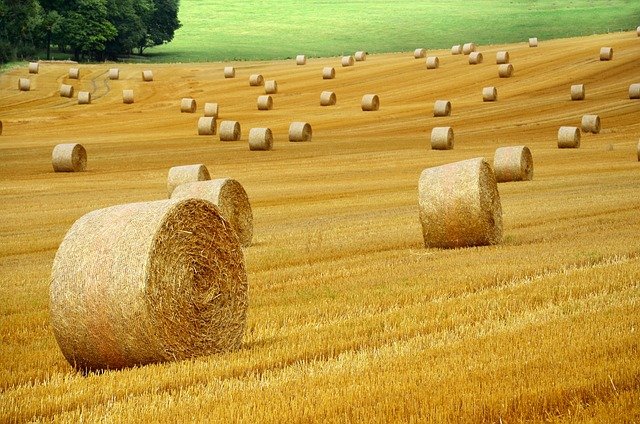
Traditional farming has stood the test of time, relying on age-old techniques passed down through generations. These methods include manual labor, animal-driven plows, and a keen understanding of weather patterns. However, as the global population balloons and climate change challenges crop yields, traditional methods alone may not suffice.
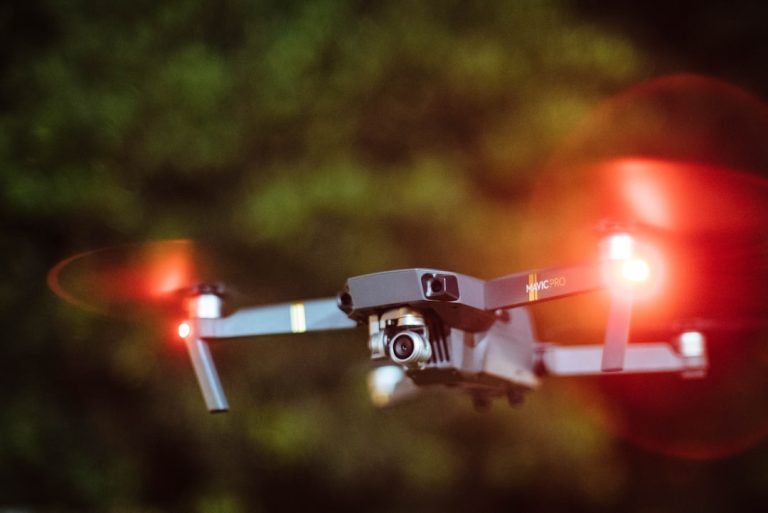
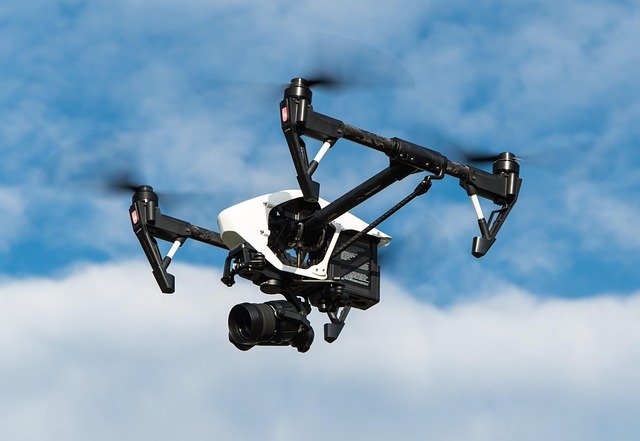
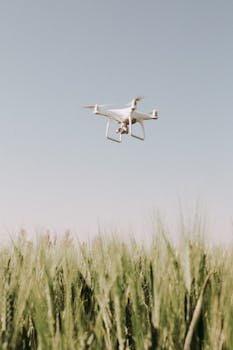
Enter drones—autonomous flying machines equipped with advanced cameras, sensors, and GPS technology. Drones offer real-time data and precision agriculture capabilities that are reshaping how we grow food. This evolution reflects a broader trend of digital transformation across industries, where data-driven decisions replace intuition.

Precision Agriculture: The Drone Advantage
Drones bring precision agriculture to the forefront, offering farmers a powerful tool for optimizing crop management. Here’s how drones enhance farming:
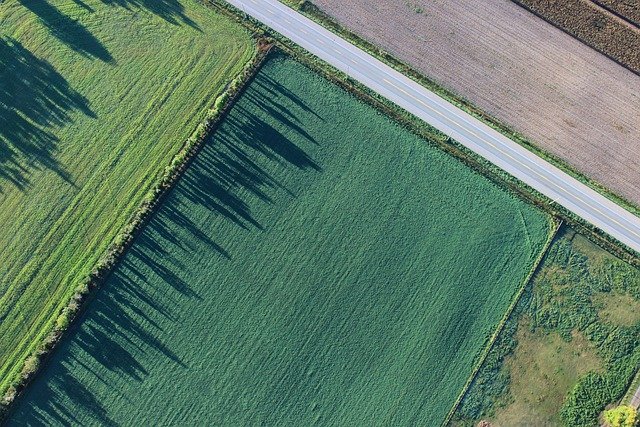
- Aerial Imagery and Mapping: Drones provide high-resolution aerial images, allowing farmers to monitor crop health, identify pest infestations, and assess water distribution. This bird’s-eye view enables targeted interventions, reducing the use of chemicals and water.
- Soil and Field Analysis: Equipped with multispectral sensors, drones can analyze soil conditions and field variations. Farmers can then adjust planting schedules and fertilizer applications for maximum yield.
- Crop Spraying: Drones equipped with spraying systems can distribute fertilizers and pesticides precisely where needed, minimizing waste and environmental impact.
- Planting: Some drones can even plant seeds, offering a faster and more efficient alternative to traditional sowing methods.
Traditional Farming: The Pros and Cons
Traditional farming, while reliable, faces challenges that drones can address:
- Labor-Intensive: Traditional methods often require significant human labor, which can be costly and time-consuming.
- Weather Dependency: Farmers rely heavily on weather patterns, which are becoming increasingly unpredictable due to climate change.
- Resource Efficiency: Traditional techniques may not use resources as efficiently as drone-assisted practices, leading to potential waste.
However, traditional farming also offers benefits that technology cannot replace:
- Community and Culture: Farming is deeply embedded in cultural practices and community life, offering social benefits beyond agriculture.
- Intuitive Knowledge: Experienced farmers possess a wealth of knowledge that technology cannot replicate, such as understanding local soil conditions and ecosystems.
The Environmental Impact
Sustainability is at the heart of modern agriculture, and both traditional and drone-assisted methods have environmental implications.
- Drones: By enabling precision agriculture, drones can reduce resource use and lower carbon footprints. However, the production and maintenance of drones also have environmental costs.
- Traditional Methods: While potentially less efficient, traditional farming relies on natural processes and cycles, which can be more sustainable in certain contexts.
Economic Considerations
Adopting drone technology involves upfront costs for equipment and training, which can be a barrier for small-scale farmers. However, the long-term savings from increased efficiency and yield can offset these initial expenses.
Traditional farming, on the other hand, may have lower initial costs but could incur higher expenses over time due to labor and resource inefficiencies.
The Future of Farming: A Hybrid Approach
The future of agriculture likely lies in a hybrid approach that combines the best of both worlds. Drones and technology can enhance traditional methods, providing farmers with tools to optimize yield while preserving cultural practices.
- Integration: Farmers can integrate drones into existing practices, using technology to complement rather than replace traditional methods.
- Training and Education: Educating farmers on the benefits and use of drones can bridge the gap between tradition and technology.
Conclusion
The debate between drone technology and traditional farming is not about choosing one over the other but finding a balance that meets the demands of a growing population and a changing planet. By embracing both innovation and tradition, we can cultivate a sustainable and prosperous future for agriculture.
As the saying goes, “The best of both worlds is often more than the sum of its parts.” By harnessing the power of drones while honoring traditional wisdom, farmers can ensure their fields are not only fertile but also future-proof.
Call to Action
Are you ready to take your farming practices to new heights? Embrace drone technology and join the agricultural revolution today. Whether you’re a farmer, a tech enthusiast, or simply curious about the future of food, there’s never been a better time to get involved.
Explore the possibilities, and let your fields flourish like never before!
—
Additional Resources:
Related Posts: How Agriculture Drones Are Revolutionizing Modern Farming | How DJI Matrice 300 RTK is Revolutionizing Precision Agriculture
External Resources: USDA | AgWeb
—
Related Posts: The Future of Ag Robots: Drones as the First Step in Full Automation | The Future of Agriculture Drones in 2025: Smarter, Faster, and More Efficient
External Resources: FAO | AgWeb
—
Got Questions about Ag Drones or AI in farming? Check our FAQ
Or contact us for business information or sponsorship arrangements: Contact
Related Posts: Case Study: Farmers Increasing Profits with Drone Technology | How DJI Matrice 300 RTK is Revolutionizing Precision Agriculture
External Resources: FAO | USDA
Get Practical Ag Drone Updates
Join for field-tested reviews, regulation updates, and buying guides.