The #1 source for up-to-date news on agricultural drones, precision farming, automation, and AI in agriculture.
Stay up to date with the latest Ag-Technology innovations!


Drone Spraying Systems: Precision Application of Pesticides and Fertilizers

Introduction
Imagine a painter meticulously applying each stroke to create a masterpiece. Similarly, Drone Spraying Systems: Precision Application of Pesticides and Fertilizers are transforming agriculture by allowing farmers to apply treatments with unmatched accuracy. This precision not only enhances crop yields but also minimizes environmental impact, marking a new era in farming technology.
Table of Contents
- Understanding Drone Spraying Systems
– What Are Drone Spraying Systems?
– How They Work - Benefits of Precision Application
– Increased Efficiency
– Environmental Impact
– Cost-Effectiveness - Key Components of Drone Spraying Systems
– Drones and Hardware
– Software and Automation - Applications in Modern Agriculture
– Pesticide Application
– Fertilizer Distribution
– Disease and Pest Monitoring - Challenges and Solutions
– Technical Limitations
– Regulatory Hurdles
– Adoption Barriers - Future of Drone Spraying Systems
– Technological Advancements
– Integration with Smart Farming - Conclusion
Understanding Drone Spraying Systems
What Are Drone Spraying Systems?
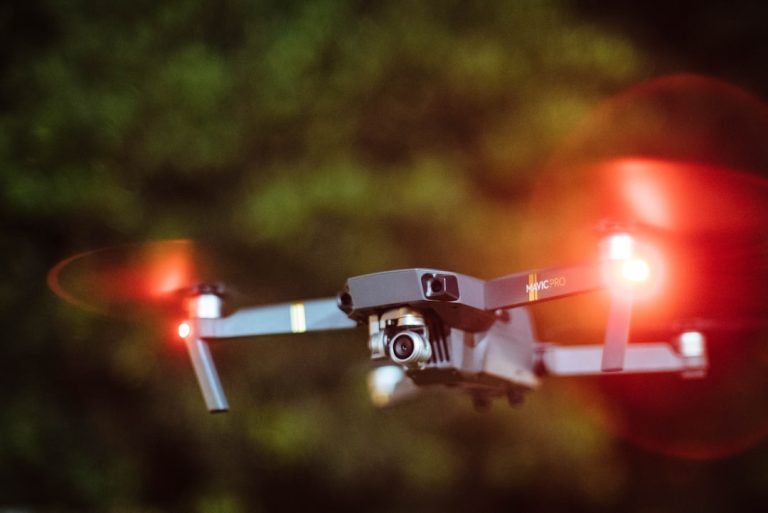
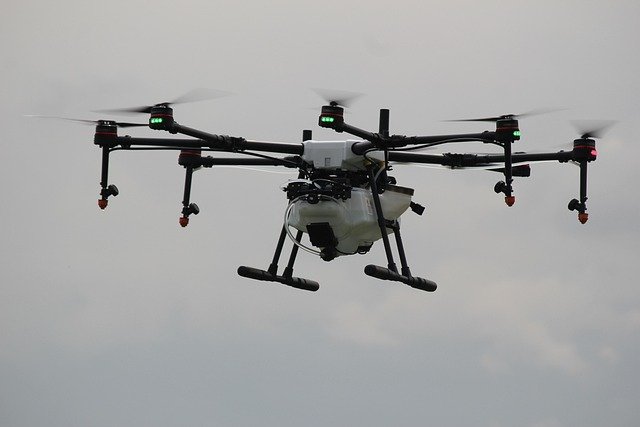
Drone Spraying Systems: Precision Application of Pesticides and Fertilizers are advanced unmanned aerial vehicles (UAVs) equipped with spraying mechanisms. These drones are designed to apply pesticides, fertilizers, and other treatments evenly and accurately across agricultural fields.
How They Work
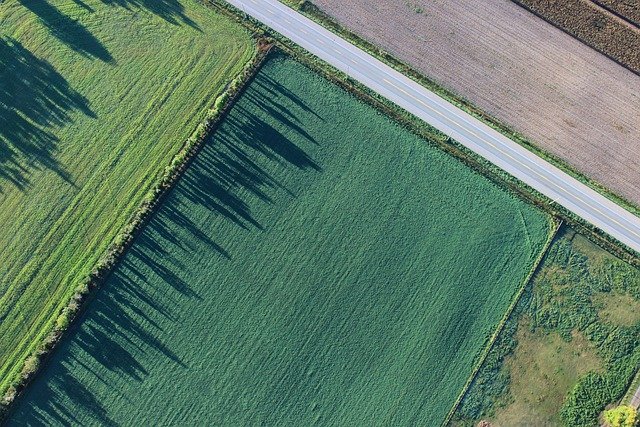
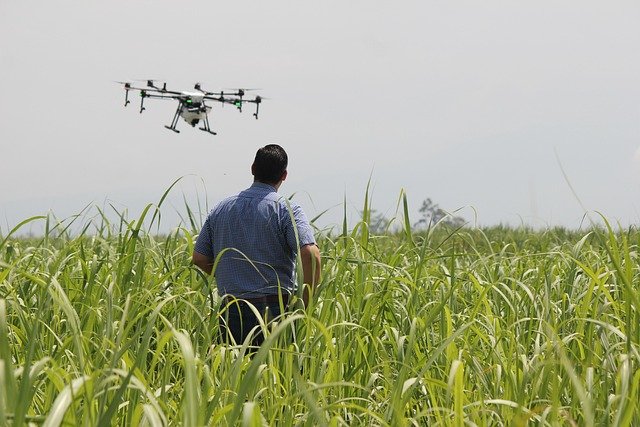
Equipped with GPS and various sensors, these drones map the terrain and identify specific areas that require treatment. Using automated software, they control the spray distribution, ensuring that each plant receives the exact amount of chemicals needed, reducing waste and ensuring optimal growth conditions.
Benefits of Precision Application
Increased Efficiency
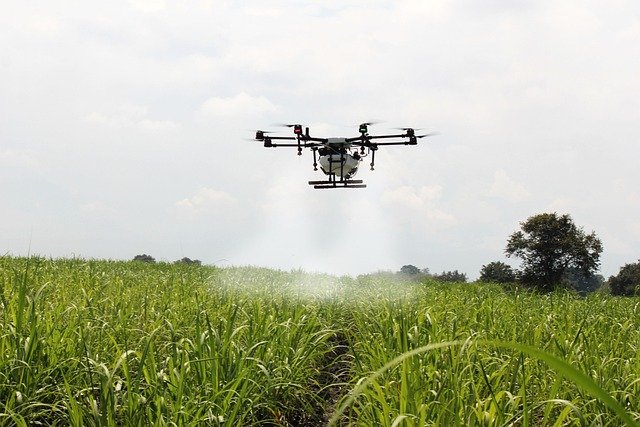
Drone spraying significantly reduces the time and labor required for large-scale pesticide and fertilizer application. Unlike traditional methods, which may require multiple passes over a field, drones can cover extensive areas quickly and consistently.
Environmental Impact
Precision application minimizes the overuse of chemicals, thereby reducing runoff and contamination of surrounding ecosystems. This targeted approach helps in preserving soil health and protecting water sources from harmful pesticide exposure.
Cost-Effectiveness
While the initial investment in drone technology may be substantial, the long-term savings are considerable. Reduced labor costs, decreased chemical usage, and increased crop yields contribute to a favorable return on investment for farmers.
Key Components of Drone Spraying Systems
Drones and Hardware
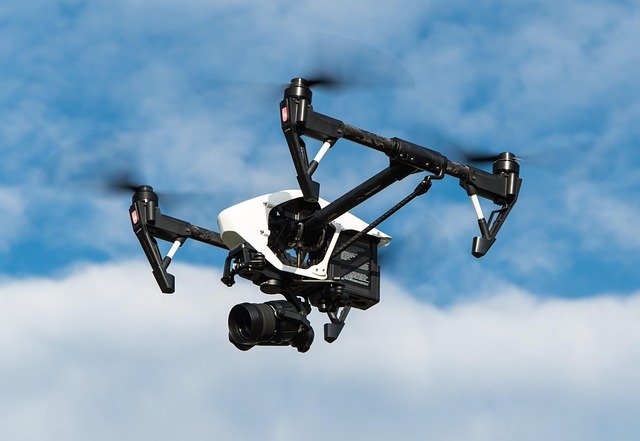
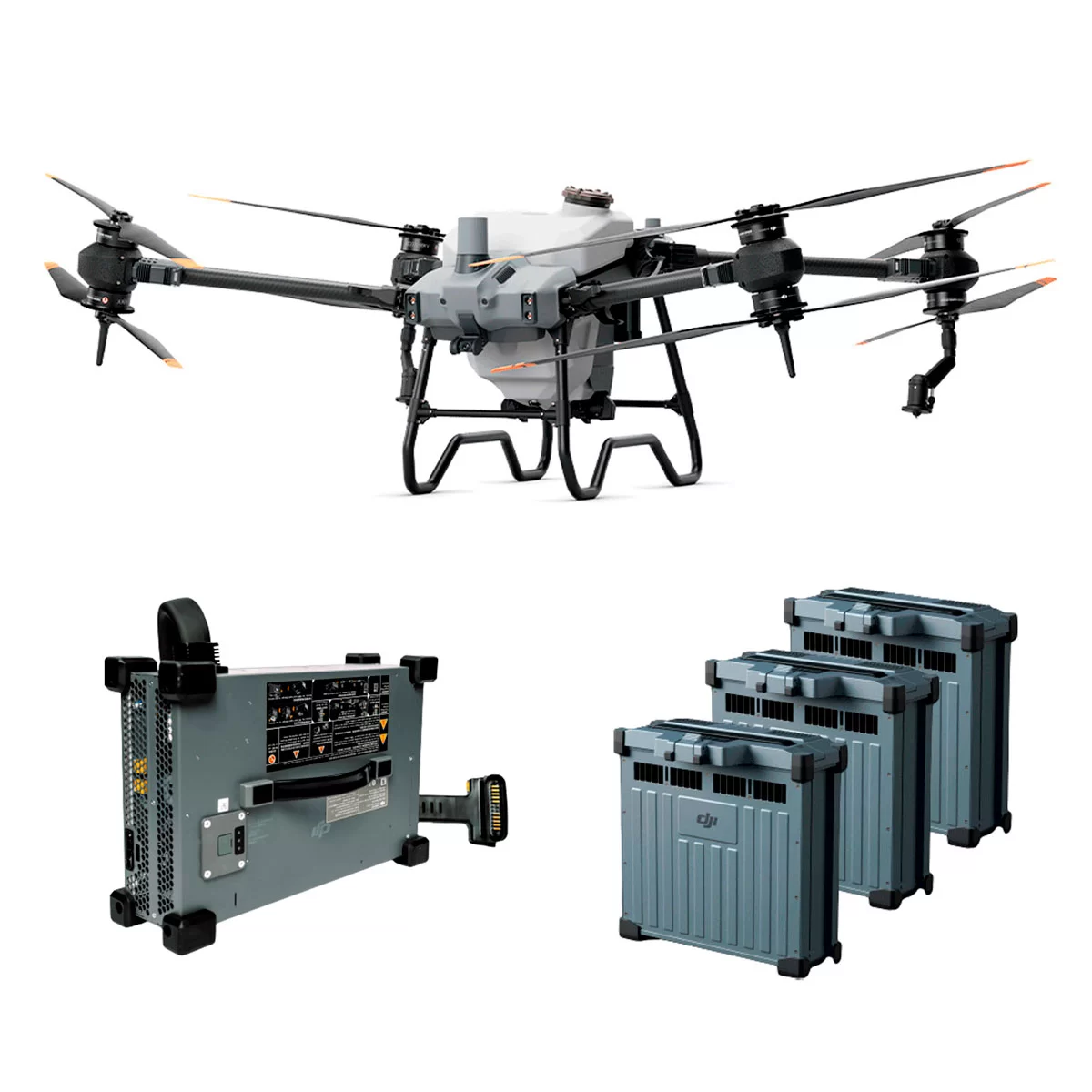
Modern drones used for spraying are equipped with robust frames, high-capacity tanks, and efficient nozzles. They are designed to withstand various weather conditions and terrains, ensuring reliable performance throughout the farming season.
Software and Automation
Advanced software allows for precise mapping and autonomous navigation. Farmers can program drones to follow specific paths, adjust spray rates based on real-time data, and integrate with other farm management systems for seamless operation.
Applications in Modern Agriculture
Pesticide Application
Targeted pesticide application helps in controlling pests without harming beneficial insects. Drones ensure that pesticides are distributed evenly, reducing the chances of pest resistance and promoting healthier crops.
Fertilizer Distribution
By applying fertilizers precisely where needed, drones enhance nutrient uptake by plants, leading to better growth and higher yields. This method also prevents soil degradation caused by excessive fertilizer use.
Disease and Pest Monitoring
Equipped with high-resolution cameras and sensors, drones can monitor crop health and detect early signs of disease or pest infestation. This proactive approach allows farmers to address problems before they escalate, ensuring sustained crop productivity.
Challenges and Solutions
Technical Limitations
Battery life and payload capacity are significant constraints for drone spraying systems. However, ongoing advancements in drone technology are gradually overcoming these limitations, allowing for longer flight times and heavier payloads.
Regulatory Hurdles
Compliance with aviation and agricultural regulations can be complex. Collaborating with regulatory bodies and staying informed about local laws are essential for smooth operations.
Adoption Barriers
High initial costs and a lack of technical expertise can deter farmers from adopting drone technology. Providing training programs and financial incentives can help in overcoming these barriers and encouraging widespread adoption.
Future of Drone Spraying Systems
Technological Advancements
Future drones are expected to feature enhanced AI capabilities, better battery technology, and improved sensor integration. These advancements will further increase the efficiency and effectiveness of precision application methods.
Integration with Smart Farming
Drone spraying systems will increasingly integrate with other smart farming technologies, such as IoT devices and data analytics platforms. This integration will provide farmers with comprehensive insights, enabling more informed decision-making and optimized farm management.
Conclusion
Drone Spraying Systems: Precision Application of Pesticides and Fertilizers represent a significant leap forward in agricultural technology. By providing accurate, efficient, and environmentally friendly solutions, these drones are poised to revolutionize farming practices. As technology continues to advance and adoption barriers are addressed, the future of agriculture looks brighter and more sustainable than ever.
For more insights on innovative farming technologies, check out our latest articles. To understand the environmental benefits, visit this reputable source.
For more insights, check out this post.
Need official data? Explore USDA.
Get Practical Ag Drone Updates
Join for field-tested reviews, regulation updates, and buying guides.