The #1 source for up-to-date news on agricultural drones, precision farming, automation, and AI in agriculture.
Stay up to date with the latest Ag-Technology innovations!


The Impact of Drone Technology on Crop Insurance and Risk Management
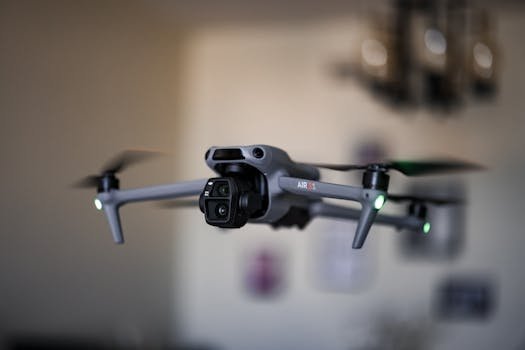
Imagine a farmer standing at the edge of a vast field, squinting at rows of crops under the midday sun. Now, picture a drone soaring overhead, capturing real-time data that reveals hidden risks and opportunities. This isn’t science fiction—it’s the new reality of farming. The impact of drone technology on crop insurance and risk management is revolutionizing agriculture, turning uncertainty into actionable insights. Let’s dive into how these high-flying tools are reshaping the industry.
Table of Contents
- How Drones Are Changing the Agricultural Landscape
- The Role of Drone Technology in Modern Crop Insurance
– ### Precision Data for Accurate Risk Assessment
– ### Streamlining Claims with Real-Time Monitoring - Enhancing Risk Management Through Aerial Insights
- Case Studies: Success Stories from the Field
- Challenges and Future Trends
- Conclusion: Embracing the Sky-High Future of Farming
How Drones Are Changing the Agricultural Landscape
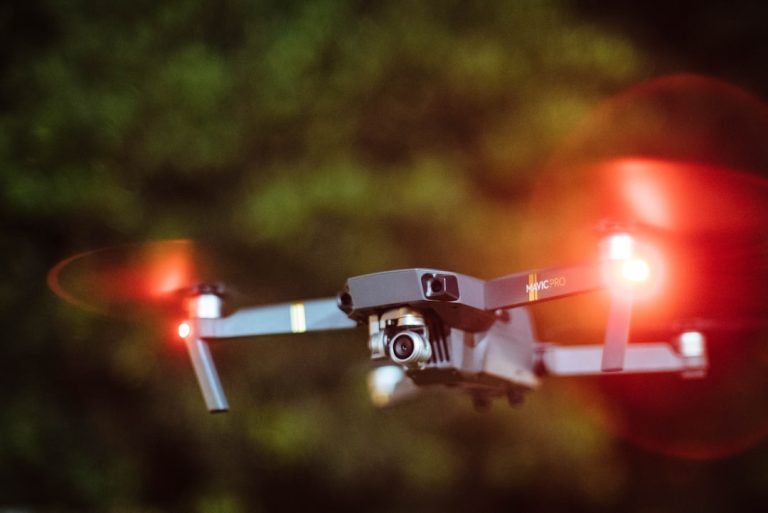
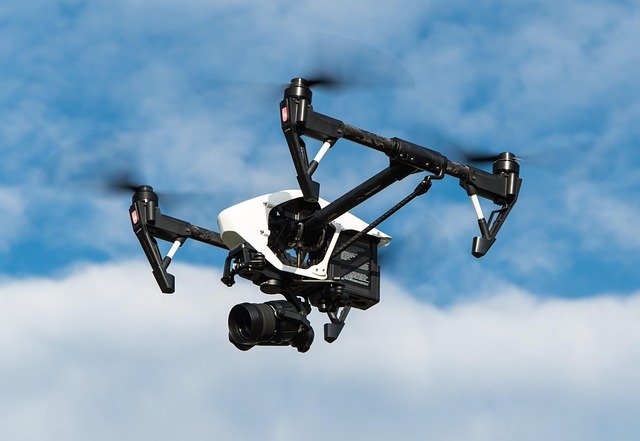
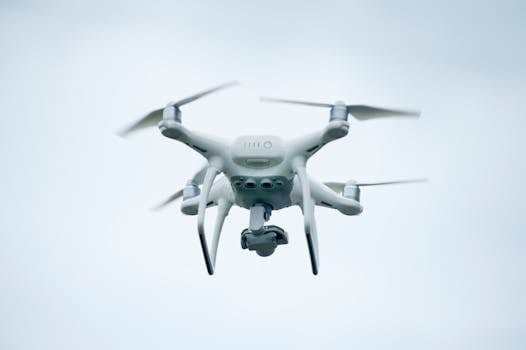
Drones, or unmanned aerial vehicles (UAVs), are like stethoscopes for farmers—providing a detailed “health check” for crops. By capturing multispectral imagery, thermal data, and 3D maps, drones identify issues like pest infestations, water stress, and nutrient deficiencies long before they’re visible to the naked eye. This proactive approach is a game-changer for crop insurance and risk management, enabling insurers and farmers to collaborate on preventing losses rather than just reacting to them.
 }
}
Dr. Sarah Thompson, an agronomist at AgriTech Innovations, explains:
“Drones bridge the gap between ground-level observations and satellite data. They offer granularity that satellites can’t match and scalability that manual inspections lack.”
The Role of Drone Technology in Modern Crop Insurance
Precision Data for Accurate Risk Assessment
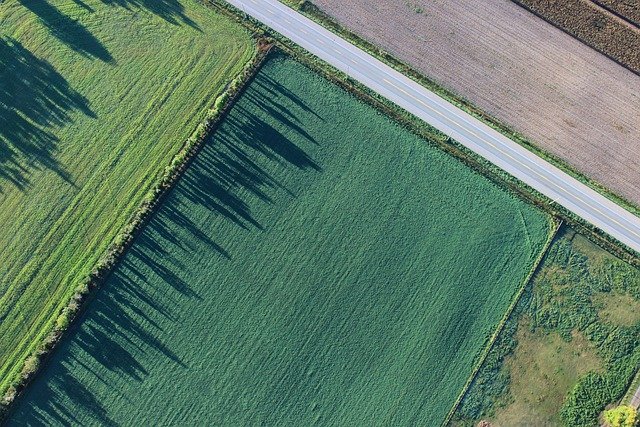
Insurers traditionally relied on historical data and spot checks to price policies. Now, drones provide hyper-localized insights—like soil moisture levels and crop density—that refine risk models. For example, a farmer in Iowa used drone data to prove their fields had optimal drainage, securing a 15% reduction in insurance premiums.
Streamlining Claims with Real-Time Monitoring
When hailstorms strike, drones quickly assess damage across thousands of acres, slashing claims processing time from weeks to days. John Harper, a claims adjuster at GreenShield Insurance, notes:
“Before drones, assessing a 500-acre farm took three days. Now, we do it in three hours—with 90% fewer errors.”
Learn how to leverage drones for faster claims in our guide, Maximizing Farm Efficiency with Drone Technology.
Enhancing Risk Management Through Aerial Insights
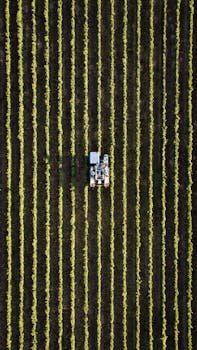
Farmers can now simulate scenarios like droughts or floods using drone-generated data. This “digital twin” approach lets them test mitigation strategies, such as adjusting irrigation schedules or switching crop varieties. For more on predictive analytics, check out this FAO report.
Case Studies: Success Stories from the Field
- Case Study 1: A soybean cooperative in Brazil cut yield losses by 20% after using drones to detect fungal outbreaks early.
- Case Study 2: A Canadian insurer reduced fraudulent claims by 40% by cross-referencing drone data with farmer reports.
 }
}
Challenges and Future Trends
While drones face hurdles like regulatory restrictions and high upfront costs, advancements in AI and battery life are paving the way for wider adoption. Expect to see more integration with blockchain for tamper-proof insurance records by 2025.
Conclusion: Embracing the Sky-High Future of Farming
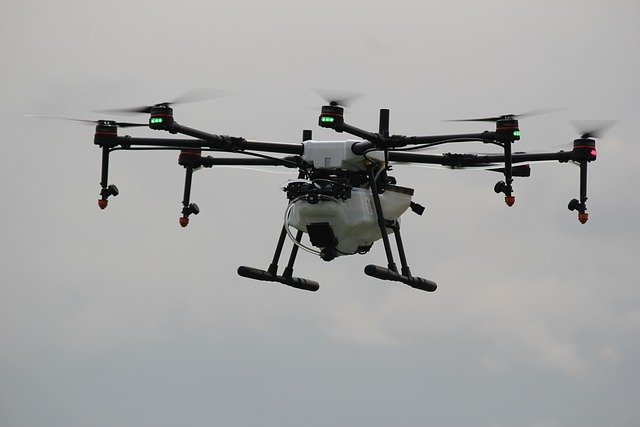
Drones aren’t just tools—they’re partners in building resilient farms. By embracing the impact of drone technology on crop insurance and risk management, farmers and insurers can cultivate a future where risks are managed before they sprout.
Pro Tip: Start small! Rent a drone service to audit one field, then scale based on results.
For more insights, read our article on Top 5 Drone Features Every Farmer Needs.
For more insights, check out this post.
Need official data? Explore USDA.
Get Practical Ag Drone Updates
Join for field-tested reviews, regulation updates, and buying guides.