The #1 source for up-to-date news on agricultural drones, precision farming, automation, and AI in agriculture.
Stay up to date with the latest Ag-Technology innovations!

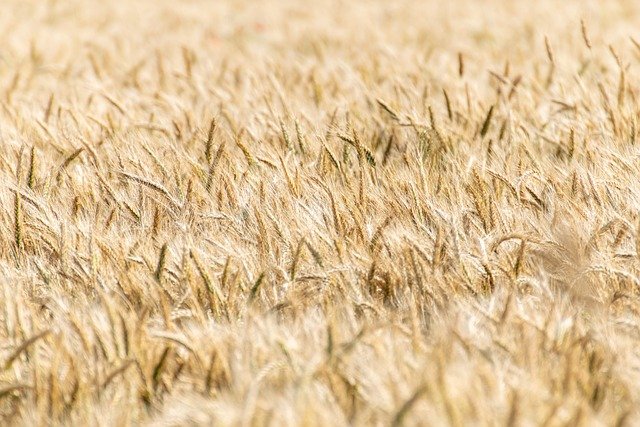

Drone-Based Planting: Seeding the Future from the Sky

In the vast landscape of modern agriculture, drone-based planting stands tall as a game-changer, much like the leap from horse-drawn plows to tractors. This innovation, at the intersection of precision agriculture and smart farming, is reshaping how we cultivate our fields. Imagine seamlessly integrating drone-based spraying with autonomous farming systems to enhance crop yields and sustainability. Welcome to the future of farming, where the sky truly is the limit.
Table of Contents
- Introduction
- The Evolution of Drone-Based Planting
- Early Beginnings
- Technological Advancements
- How Drone-Based Planting Works
- Aerial Imaging and Mapping
- Seed Dispersion Mechanisms
- Benefits of Drone-Based Planting
- Efficiency and Precision
- Environmental Impact
- Challenges and Considerations
- Regulatory Hurdles
- Cost and Accessibility
- Future of Drone-Based Planting
- Integration with Autonomous Farming
- Innovations on the Horizon
- Conclusion
- Call to Action
Introduction
Agriculture has always been the backbone of civilization, and as we stride into the 21st century, technology continues to transform this essential sector. Drone-based planting: seeding the future from the sky is not just a buzzword but a tangible revolution in how we approach farming. Much like how GPS changed navigation, drones are redefining how seeds are sown, optimizing every step for maximum yield and sustainability.
The Evolution of Drone-Based Planting
Early Beginnings
The concept of using aerial devices for planting isn’t entirely new. Early experiments with airplanes and helicopters paved the way for modern drone technology in agriculture. These initial attempts, while rudimentary, highlighted the potential for mechanized planting over large areas.
Technological Advancements
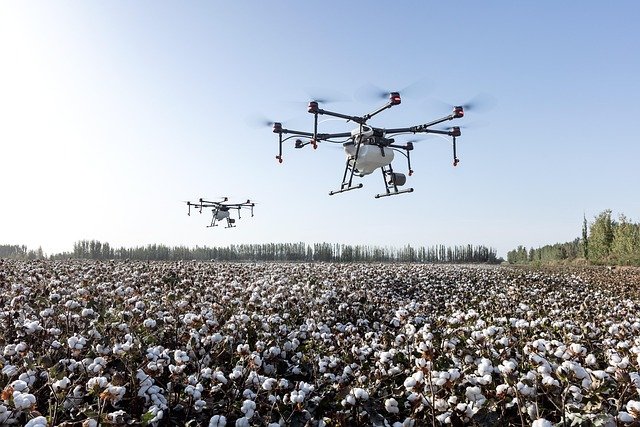
With advancements in drone technology, including improved battery life, precision sensors, and autonomous navigation systems, drone-based planting has become more feasible and efficient. Today’s drones can carry precise loads, map terrains accurately, and operate with minimal human intervention.
How Drone-Based Planting Works
Aerial Imaging and Mapping
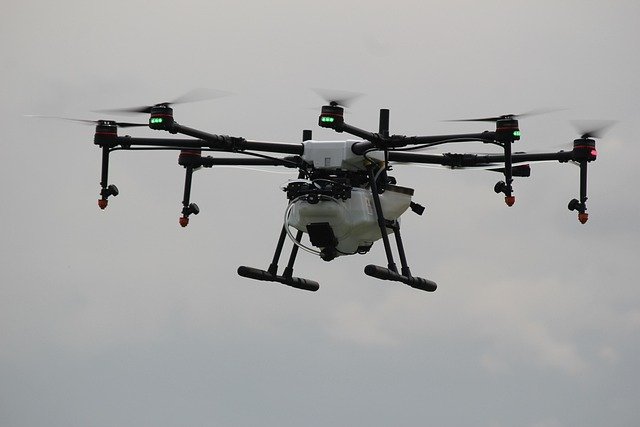
Before planting can commence, drones equipped with high-resolution cameras and sensors perform detailed aerial imaging and mapping of the farmland. This data helps in identifying optimal planting zones, understanding soil health, and detecting any anomalies that could affect crop growth.
Seed Dispersion Mechanisms
Modern planting drones use sophisticated seed dispersion systems that can release seeds at precise locations and depths. Some drones utilize pneumatic systems or mechanical dispensers to ensure that seeds are planted uniformly, reducing waste and improving germination rates.
Benefits of Drone-Based Planting
Efficiency and Precision
Unlike traditional planting methods, drone-based systems can cover vast areas in a fraction of the time. The precision offered by drones ensures that seeds are distributed evenly, which is crucial for maximizing crop yield and maintaining plant health.
Environmental Impact
Drone-based planting significantly reduces soil compaction compared to heavy machinery, preserving soil structure and health. Additionally, precise seed placement minimizes the need for excessive fertilizer and pesticides, leading to more sustainable farming practices.
Challenges and Considerations
Regulatory Hurdles

The use of drones in agriculture is subject to strict regulations regarding airspace and drone operation. Farmers and companies must navigate these legal landscapes to ensure compliance and avoid potential fines or operational interruptions.
Cost and Accessibility
While drone technology offers numerous benefits, the initial investment can be a barrier for small-scale farmers. However, as technology advances and becomes more widespread, costs are expected to decrease, making drone-based planting more accessible.
Future of Drone-Based Planting
Integration with Autonomous Farming
The future of drone-based planting lies in its integration with other autonomous farming technologies. Combining drones with autonomous tractors, robotic harvesters, and smart irrigation systems can create a fully automated farming ecosystem.
Innovations on the Horizon
Emerging technologies such as AI-driven analytics, machine learning for crop prediction, and improved energy sources for drones are set to enhance the capabilities of drone-based planting, making it even more efficient and reliable.
Conclusion
Drone-based planting is revolutionizing the agricultural landscape, offering unparalleled precision, efficiency, and sustainability. As technology continues to evolve, the synergy between drones and other smart farming practices will undoubtedly lead to a more productive and environmentally friendly future for farming.
Call to Action
Ready to take your farming practices to new heights? Subscribe to our newsletter for the latest updates on drone technology in agriculture or visit our related article on precision agriculture to learn more. Embrace the future of farming today with drone-based planting!
For more information on drone regulations, check out this comprehensive guide by the FAA.
For more insights, check out this post.
Need official data? Explore USDA.
Get Practical Ag Drone Updates
Join for field-tested reviews, regulation updates, and buying guides.