The #1 source for up-to-date news on agricultural drones, precision farming, automation, and AI in agriculture.
Stay up to date with the latest Ag-Technology innovations!


How Drones Detect Diseases in Real-Time
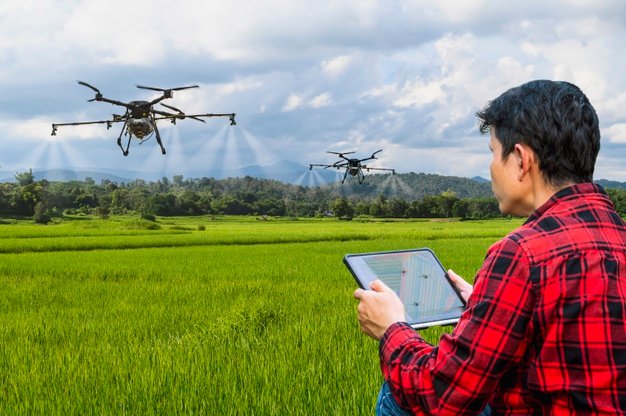
Imagine being a doctor for plants, diagnosing diseases without ever touching them. Just like a stethoscope picks up a heartbeat, drones equipped with advanced sensors can detect plant diseases from above, offering a bird’s-eye view of vast agricultural fields. In today’s rapidly evolving agricultural landscape, drones are becoming indispensable tools, akin to how smartphones have revolutionized communication.
The Role of Drones in Modern Agriculture
Drones, also known as Unmanned Aerial Vehicles (UAVs), have dramatically changed the way we approach agriculture. These flying robots are not just limited to capturing stunning aerial footage; they play a crucial role in precision farming, offering a level of detail and efficiency that was previously unimaginable.
- High-Resolution Imaging: Drones are equipped with high-resolution cameras that can capture detailed images of crops. These images are crucial for identifying any signs of distress or disease in plants.
- Multispectral Sensors: With multispectral and hyperspectral sensors, drones can detect variations in plant reflectance that are invisible to the naked eye. These sensors can pick up on subtle changes in plant health, such as chlorophyll content, which indicate the presence of disease.
- Thermal Imaging: Thermal cameras on drones can detect temperature variations in crops. Diseased plants often show different thermal signatures compared to healthy ones, allowing for early detection.
How Drones Detect Diseases
The process of disease detection using drones involves several sophisticated technologies and methodologies:
- Data Collection: Drones fly over fields, capturing images and data. The speed and coverage of drones allow farmers to survey large areas quickly, ensuring no part of the field is overlooked.
- Data Analysis: Advanced algorithms analyze the data collected by drones. Machine learning and artificial intelligence play significant roles here, identifying patterns and anomalies indicative of plant diseases.
- Integration with IoT and AI: Drones often work in tandem with other IoT devices and AI systems. This integration allows for real-time monitoring and immediate response to any detected issues.
Benefits of Using Drones for Disease Detection
The use of drones in disease detection offers numerous advantages:
- Early Detection: Timely identification of diseases can prevent widespread crop loss, saving farmers significant resources.
- Cost Efficiency: Drones reduce the need for labor-intensive field inspections, lowering overall operational costs.
- Precision: The level of detail provided by drone imagery ensures accurate disease detection, allowing for targeted interventions.
- Environmental Impact: By enabling precise application of treatments, drones help minimize the use of pesticides, promoting sustainable farming practices.
Challenges and Considerations
While the benefits are substantial, there are challenges to consider:
- Regulatory Hurdles: The use of drones is regulated in many regions, which can limit their deployment.
- Technical Limitations: Weather conditions and terrain can affect drone operations, and there is a continuous need for technological advancements.
- Data Management: The volume of data collected by drones can be overwhelming, requiring robust data management systems for effective analysis.
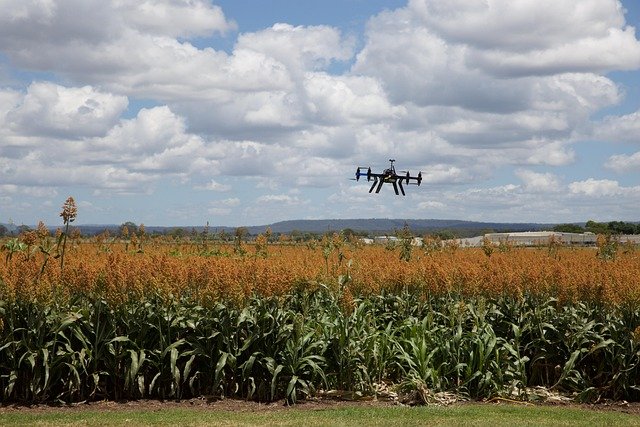
Case Studies: Drones in Action
Several successful implementations highlight the transformative impact of drones:
- Vineyard Monitoring: In vineyards, drones have been used to monitor grape health, ensuring high-quality wine production.
- Wheat Rust Detection: In wheat fields, drones have detected rust disease, allowing for timely intervention and protection of yields.
The Future of Drones in Agriculture
Looking ahead, the role of drones in agriculture will continue to expand. As technology advances, we can expect:
- Increased Autonomy: Drones will become more autonomous, with capabilities to operate independently without human intervention.
- Enhanced AI Integration: Improved AI algorithms will enhance data analysis, making disease detection even more precise and reliable.
- Broader Applications: Beyond disease detection, drones will play a role in tasks such as pollination, planting, and harvesting.
Conclusion
Drones have ushered in a new era of precision agriculture, offering a powerful tool for disease detection. By providing real-time insights and enabling proactive management, drones help ensure food security and promote sustainable agricultural practices. As this technology continues to evolve, its impact on agriculture will undoubtedly grow, making it an indispensable ally in the fight against plant diseases.
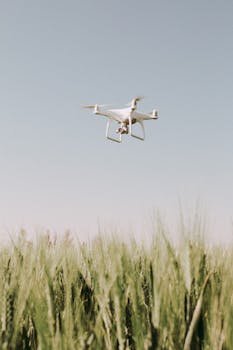
Embrace the skies with drones and transform your agricultural practices today. The future of farming is here, and it’s flying high above us.
—
Additional Resources:
Related Posts: Game-Changing Spray Drones! 🚀 Where to Buy them and the Best Deals Now | AI Farming 2025: Why Smart Agriculture Isn’t Just Hype
External Resources: USDA | AgWeb
—
Related Posts: The Top 5 Budget-Friendly Agriculture Drones for Small Farmers | Game-Changing Spray Drones! 🚀 Where to Buy them and the Best Deals Now
External Resources: AgFunder | FAO
—
Got Questions about Ag Drones or AI in farming? Check our FAQ
Or contact us for business information or sponsorship arrangements: Contact
Related Posts: The Future of Agriculture Drones in 2025: Smarter, Faster, and More Efficient | Precision Agriculture in 2025: What to Expect
External Resources: AgFunder | AgWeb
Get Practical Ag Drone Updates
Join for field-tested reviews, regulation updates, and buying guides.