The #1 source for up-to-date news on agricultural drones, precision farming, automation, and AI in agriculture.
Stay up to date with the latest Ag-Technology innovations!


How Farmers Are Using Drones for Real-Time Disease Detection
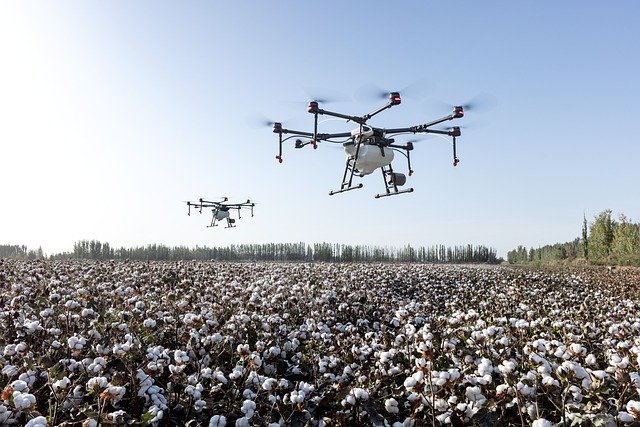
Imagine walking through a vast, lush green farm. The sun is shining, the birds are chirping, and everything seems perfect until you notice a patch of crops wilting under the sun’s relentless glare. For farmers, detecting and addressing plant diseases before they spread is akin to finding a needle in a haystack, but what if technology could transform this daunting task into a seamless process?
Welcome to the world of drones in agriculture—a realm where these aerial machines act as vigilant guardians, scanning fields with precision and alerting farmers to any signs of trouble. In this blog post, we’ll delve into the fascinating ways drones are revolutionizing real-time disease detection, ensuring that the fields remain healthy and productive.
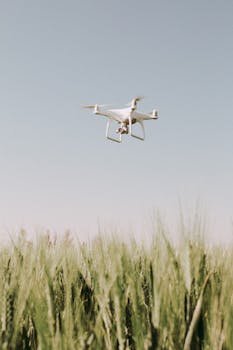
The Rise of Agricultural Drones
In recent years, drones have soared in popularity across various industries, with agriculture being one of the most promising fields of application. These unmanned aerial vehicles (UAVs) are equipped with advanced sensors and imaging technologies that allow them to monitor and manage large tracts of farmland with unprecedented efficiency.
- Precision Agriculture: Drones play a pivotal role in precision agriculture, a farming management concept that uses data and technology to optimize field-level management regarding crop farming.
- Cost Efficiency: By reducing the need for manual labor and minimizing the use of pesticides, drones help farmers cut costs while maximizing yield.
- Data-Driven Decisions: The data captured by drones assists farmers in making informed decisions, ultimately leading to better crop management and increased production.
How Drones Detect Diseases in Real-Time
The integration of drones in agriculture is primarily driven by their ability to provide real-time data, which is crucial for early disease detection. Here’s how they work:
Multispectral Imaging: Drones equipped with multispectral cameras can capture images in different wavelengths, including those not visible to the human eye. This capability is essential in identifying disease symptoms that are not apparent in visible light.
Thermal Imaging: By detecting temperature variations in crops, thermal imaging helps identify areas affected by disease, as infected plants often exhibit temperature changes.
NDVI (Normalized Difference Vegetation Index): This index measures the health of plants by analyzing how they reflect light at certain frequencies. Drones use NDVI to identify stressed plants that may be suffering from disease.
Machine Learning Algorithms: Advanced drones employ machine learning algorithms to analyze the data collected, enabling them to not only detect diseases but also predict their progression and suggest remedial actions.
Benefits of Using Drones for Disease Detection
The utilization of drones for real-time disease detection offers a multitude of benefits, transforming the landscape of modern farming:
- Early Detection: Detect diseases in their early stages before they spread and cause significant damage.
- Targeted Treatment: Apply treatments only where needed, reducing chemical use and promoting sustainable practices.
- Increased Productivity: Healthy crops lead to higher yields, ensuring food security and farmer profitability.
- Environmental Conservation: Minimize the environmental impact of farming by reducing the overuse of pesticides and fertilizers.
Real-Life Applications and Success Stories
Across the globe, farmers are witnessing the transformative impact of drones. Here are a few notable examples:
- Vineyard Management: In the wine industry, drones are used to monitor grapevines for diseases such as powdery mildew and botrytis bunch rot, ensuring high-quality grape production.
- Rice Farming in Asia: Farmers in countries like Japan and China have adopted drones to monitor rice paddies for diseases, improving yield and quality.
- Wheat Monitoring: In North America, drones help wheat farmers detect diseases like rust and blight, allowing for timely intervention and reduced crop loss.
Challenges and Future Prospects
While the benefits of drones in agriculture are undeniable, several challenges remain:
- Regulatory Hurdles: Varying regulations across countries can make the widespread adoption of drones challenging.
- Technical Limitations: The accuracy of disease detection depends on the quality of sensors and algorithms, which are constantly evolving.
- Cost of Technology: While drones can save money in the long run, the initial investment can be prohibitive for small-scale farmers.
Looking to the future, advancements in artificial intelligence and sensor technology are expected to further enhance the capabilities of drones, making them an indispensable tool in sustainable agriculture.
Conclusion: The Sky is the Limit
As drones continue to evolve, their role in agriculture will only become more significant. By providing farmers with real-time, actionable data, drones empower them to tackle diseases head-on, ensuring healthier crops and a more sustainable future. So, the next time you see a drone hovering over a field, remember that it’s not just an impressive piece of technology; it’s a symbol of innovation and hope for farmers worldwide.
Whether you’re a farmer, a tech enthusiast, or simply someone interested in the intersection of technology and agriculture, the rise of drones in disease detection is a trend worth watching. Their potential to revolutionize farming practices makes it clear: the sky truly is the limit.
—
Additional Resources:
Related Posts: These Agriculture Spray Drones Are Changing Farming Forever – Get Yours Now! | Can the XAG R150 UGV and Agricultural Drones Work Together for Maximum Efficiency?
External Resources: AgFunder | FAO
—
Related Posts: AI Farming 2025: Why Smart Agriculture Isn’t Just Hype | The Role of Drones in Livestock Monitoring and Management
External Resources: AgFunder | AgWeb
—
Got Questions about Ag Drones or AI in farming? Check our FAQ
Or contact us for business information or sponsorship arrangements: Contact
Related Posts: Precision Agriculture in 2025: What to Expect | The Rise of DIY Drones in Precision Agriculture
External Resources: AgFunder | USDA
Get Practical Ag Drone Updates
Join for field-tested reviews, regulation updates, and buying guides.