The #1 source for up-to-date news on agricultural drones, precision farming, automation, and AI in agriculture.
Stay up to date with the latest Ag-Technology innovations!


How Small Farmers Can Compete with Big Ag Using Drone Technology
 }
}
Table of Contents
- Introduction: A New Era in Agriculture
- The Evolution of Drone Technology in Agriculture
- How Small Farmers Can Compete with Big Ag Using Drone Technology: A Closer Look
- Getting Started with Drone Technology at Small Farms
- Expert Opinions and Inspiring Case Studies
- Overcoming Challenges and Navigating Regulations
- Future Trends in Agricultural Drone Technology
- Conclusion and Next Steps
Introduction: A New Era in Agriculture
In today’s rapidly changing agricultural landscape, “How Small Farmers Can Compete with Big Ag Using Drone Technology” is not just a catchy phrase, but a revolution that is redefining the way farming is conducted. Picture a small family farm navigating vast fields with the precision of a high-tech guided missile; much like an expert chauffeur navigating unknown roads using a state-of-the-art GPS system. This relatable analogy encapsulates the spirit of innovation that is empowering small farms to level the playing field.
Small farmers have traditionally faced immense challenges when competing with large-scale industrial agriculture. The disparity in resources where big corporations can invest in massive machinery and cutting-edge research has long left small-scale operators feeling disadvantaged. However, recent advances in drone technology have emerged as a game changer. In the first 100 words of this discussion, it’s clear that the integration of drones in farming operations proves that modern technology can serve as the great equalizer. Drones provide the precision, efficiency, and cost-effectiveness that small farmers need to monitor crops, manage pests, and optimize irrigation.
This blog post will serve as your comprehensive guide on this subject. We will explore how these unmanned aerial vehicles, commonly known as UAVs, are transforming agricultural processes and enabling small-scale farms to gain a competitive edge over their larger counterparts. We begin with a detailed look into the evolution of drone technology in agriculture, followed by tips on how to implement these strategies effectively. Our aim is to provide actionable insights that will not only educate but inspire small farmers to harness the potential of drone technology.
Farmers now have the chance to access high-resolution imaging, real-time data monitoring, and precision pesticide application through affordable drone solutions. For many, the journey from skepticism to acceptance of such technology has been gradual, yet the benefits are too significant to ignore. In the sections that follow, we’ll cover everything from foundational knowledge to advanced techniques, peppered with expert quotes, real-life case studies, and practical tips for successful implementation.
Let’s embark on this journey of technological transformation that is reshaping agriculture, one flight at a time.
The Evolution of Drone Technology in Agriculture
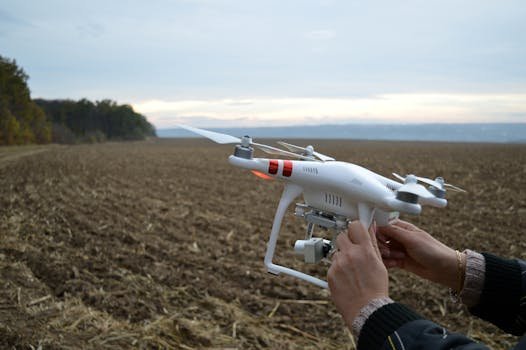
Agriculture was one of the first industries to embrace drone technology. What began as a tool for military reconnaissance has evolved into a powerful instrument for precision agriculture. Today, drones can monitor crop health, analyze field conditions, and even predict yields — all of which empower small farmers to compete against bigger players.
A Brief History
The journey of drones in agriculture dates back over a decade when pioneering farmers began experimenting with aerial imaging. The initial applications were rudimentary – capturing still images of fields from above. As technology improved and the cost of drones began to drop, manufacturers started integrating sensors and advanced imagery capabilities such as multispectral and hyperspectral imaging.
Multispectral cameras allow drones to capture data that is invisible to the naked eye, such as invisible ultraviolet or infrared wavelengths. These insights enable farmers to detect moisture levels, nutrient deficiencies, and pest infestations early on. As one expert put it, “The integration of multispectral sensors on drones has revolutionized our understanding of plant health and field variability.” This shift not only increased yield efficiency but also reduced the environmental impact of chemical applications.
The Technological Breakthrough
A decade ago, navigating a sprawling farm was labor-intensive, often requiring farmers to physically inspect every corner of their land. However, modern drones now offer rapid data collection over large areas, which means fewer resources are wasted on manual labor, and decisions can be made almost in real time. This is akin to transitioning from a paper map to a real-time, interactive GPS navigation system. The ability to quickly identify problem areas and address them proactively has led to better crop management and improved outcomes.
Furthermore, advancements in GPS precision, data analytics, and machine learning have propelled drone technology into a new era. Today, small-scale farmers can deploy fleets of drones that work simultaneously to provide comprehensive field coverage. The scalability of this technology ensures that even farms with limited acreage can benefit from high-tech monitoring and precise machinery operations.
Increasing Accessibility
Cost was once a significant barrier for small farmers. In the early stages, advanced drone systems with high-end sensors were prohibitively expensive. Thanks to rapid technological evolution and mass production, however, the cost of entry has decreased substantially. Companies are now offering tailored packages for small farms that combine affordable hardware with easy-to-use software solutions.
Additionally, online resources and workshops have made it easier for farmers to learn about these innovations. Several agricultural extension programs now include drone operation and data interpretation training as part of their curriculum. This democratization of technology allows nearly every farmer to get on board: from those with just a few acres to those managing larger plots of land.
The evolution of drone technology in agriculture has redefined roles on the farm. While land preparation, crop rotation, and harvesting maintain their importance, drones have introduced a new operational facet – data-driven decision-making. If we draw an analogy, think of drones as the modern-day crop doctor, diagnosing the needs of your plants and recommending precise treatment. The digitization of agriculture is not only saving time but also ensuring that every drop of water and every ounce of fertilizer is used optimally.
How Small Farmers Can Compete with Big Ag Using Drone Technology: A Closer Look
Revolutionizing Farm Management
Small farmers may not have the vast resources that large agribusinesses possess, but technology has an uncanny way of evening the playing field. “How Small Farmers Can Compete with Big Ag Using Drone Technology” by adopting these modern tools can transform laborious tasks into streamlined, data-rich processes. By using drones, farmers can monitor crop health, manage irrigation systems, and apply fertilizers and pesticides with surgical precision. This technology minimizes waste, reduces costs, and improves overall crop productivity.
Imagine running your farm like a professional sports team. Big franchises have the advantages of big budgets and top-notch facilities, but even a small town team can win by using smart strategies, rigorous training, and tactical decision-making. In this analogy, drones are akin to your state-of-the-art analytics software – they give you insights into every aspect of your game, from player performance (or, in this case, crop health) to the strategies of your opponents (large agribusinesses).
Precision and Efficiency: The Twin Pillars
One of the standout benefits of drone technology is its precision. Unlike traditional methods that rely on estimations and manual labor, drones provide real-time data that can pinpoint exactly where issues are arising in the field. For instance, aerial imagery can reveal water stress in a crop patch or early signs of pest infestation. This allows immediate corrective action, potentially saving a crop from widespread damage.
Efficiency is another critical benefit. Consider how much time and resources farmers save when drones can cover vast fields in minutes rather than hours. Tasks that once required days of manual inspection are now completed in a fraction of the time. The resulting time savings translates directly into increased productivity and reduced labor costs.
Technology Integration and Data Collection
Modern drones come equipped with sophisticated sensors capable of collecting a variety of data types – from high-resolution imagery to temperature and moisture levels. Once collected, this data can be processed using analytics software to generate actionable insights. Sophisticated algorithms pinpoint areas of stress or underperformance in crops.
Small farmers can harness these insights to create targeted intervention plans. For example, instead of applying fertilizer uniformly over an entire field, the data may reveal precisely where additional nutrients are needed. These targeted applications not only conserve resources but also bolster overall crop health and yields.
Overcoming the Resource Gap
Large agribusinesses benefit from economies of scale and substantial R&D investments. However, small farmers are uniquely positioned to leverage drone technology due to their agility and local expertise. They can quickly adopt and adapt these technologies to meet their specific needs. One expert in agricultural technology, Dr. Emilia Carter, states, “Drones empower small farmers with real-time information that was once exclusive to large-scale operations. Through strategic use of this data, even family farms can achieve remarkable efficiencies.” This flexibility is a powerful tool that offsets the resource gap between small farms and big agriculture.
Real-World Applications
Let’s delve into some practical examples. A small vineyard in California recently started using drones to monitor vine health and soil moisture. The aerial imagery revealed subtle variations in the vineyard that traditional monitoring methods had missed. With this newfound information, the vineyard optimized its irrigation schedule and consequently saw a 20% increase in grape yield over the season.
Another example is a row crop farm in Iowa that adopted drone technology to fine-tune pesticide application. By identifying the exact zones where pest activity was highest, the farm reduced pesticide usage by 30%, cutting costs and reducing environmental impact. These case studies clearly demonstrate how drone technology can revolutionize small farm operations, making them more competitive against larger counterparts.
A Relatable Analogy
Imagine the difference between using a hand-drawn map versus an interactive, real-time navigation system when driving across an unfamiliar city. The hand-drawn map, though useful, leaves room for error and slow response to changes such as road closures. On the other hand, the interactive system offers precise, up-to-date guidance, allowing for quick adjustments and a more efficient journey. In this scenario, traditional farming methods are like the hand-drawn map, while drone technology functions as the interactive GPS system, guiding small farmers to success.
Strategic Implementation
For farmers looking to embrace drone technology, the transition involves a blend of investment in hardware, training, and software integration. Here are some strategic steps to consider:
Assessment of Needs: Evaluate your farm’s specific challenges and needs. Whether it’s crop health monitoring or precise pesticide application, knowing your key issues will help you decide which drone features are most crucial.
Budgeting: While initial costs might seem high, the long-term savings through efficient resource usage and increased yields make the investment worthwhile. Consider lease options or government grants aimed at technological adoption in agriculture.
Training and Skill Development: Invest the time to learn about drone operation. Many community colleges and agricultural extension programs provide hands-on training sessions. In fact, check out our Comprehensive Guide to Precision Farming for further reading.
Software Integration: Partner with companies that offer user-friendly farm management software. The seamless integration of data analytics with drone imagery is key to making informed decisions.
Maintenance and Upgrades: Regularly update your drone’s firmware and calibrate its sensors. Just like any piece of technology, proper maintenance ensures longevity and consistent performance.
By implementing these strategies, small farmers can quickly convert raw aerial data into actionable insights, leading to better decision-making and efficient operations.
Getting Started with Drone Technology at Small Farms
Embarking on the journey to integrate drone technology into your farming operations might seem daunting at first, but it can be broken down into manageable steps. The key is to start small and gradually expand your use of drones as you gain confidence and experience.
Step 1: Research and Selection
Before making any investments, it’s important to understand the types of drones available and how they apply to your specific agricultural needs. Currently, there are several types of drones, including multi-rotor, fixed-wing, and hybrid models. Each type has its advantages and limitations:
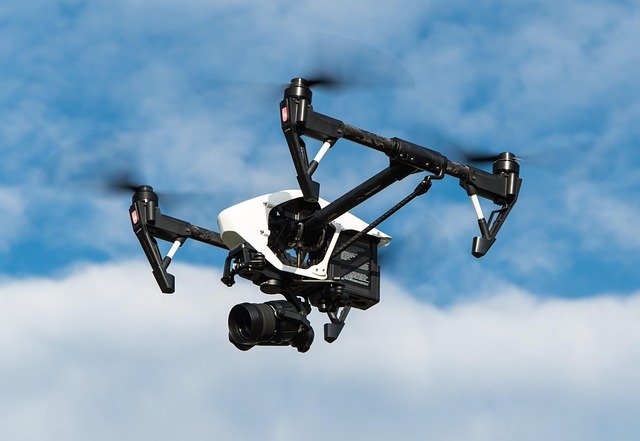
Multi-rotor Drones: These are ideal for smaller areas and intensive tasks such as spot spraying and detailed crop health analysis. Their ability to hover over a specific area makes them perfect for granular data collection.
Fixed-wing Drones: Better suited for large-scale farms, these drones can cover extensive areas quickly. However, they generally lack the hovering capability of multi-rotor drones.
Hybrid Drones: Combining attributes from both multi-rotor and fixed-wing designs, these drones offer a middle ground for medium-sized farms or those with diverse operational needs.
When deciding, consider not only the initial cost but also the operational costs, ease of use, and compatibility with available farm management software. Websites such as FAA’s Drone Zone provide a wealth of information on regulatory requirements and safety protocols that can help guide your decision.
Step 2: Training and Certification
Learning how to operate drones is critical. Many small farmers benefit from hands-on training sessions provided by local agricultural extension services or online courses. These sessions cover everything from basic flight operations to advanced data interpretation techniques. In addition, obtaining a certification in drone operations might be required by local regulations.
For example, attending a workshop or seminar not only equips you with technical know-how but also offers networking opportunities with other progressive farmers who share similar goals. By building a community of knowledgeable users, you can share insights and troubleshoot challenges collectively. The investment in training is crucial to ensure that drones are operated safely and efficiently right from the start.
Step 3: Implementation and Integration
Once you have selected your drone and acquired the necessary training, begin integration on a small scale. Start with a single project, such as monitoring a specific crop or testing irrigation scheduling adaptations. This trial run can act as a pilot program to gauge the effectiveness of drone data in real-world conditions.
During this phase, keep detailed records of crop performance, weather conditions, and other environmental factors. Compare these records with periods before drone implementation. Over time, you’ll be able to quantify improvements in crop yield, resource utilization, and operational efficiency. Documenting these trends will not only justify your investment but may also attract further funding or grants.
Step 4: Leveraging Data Analytics
The raw data collected by drones is of little use unless it is transformed into actionable insights. Farm management software can process drone imagery and sensor data. Such platforms often include features like trend analysis, mapping of nutrient deficiencies, and predictive modeling.
Investing time in learning how to use these analytical tools can result in dramatic improvements in farm management. In some cases, you might even consider collaborating with academic institutions or tech startups focused on agricultural innovations. Such partnerships can lead to custom solutions tailored to your farm’s specific requirements.
Step 5: Expansion and Scaling
After the pilot project demonstrates positive results, consider scaling drone operations across more areas of your farm. With time, you might integrate additional drones or expand their functionalities. For instance, some farms now use drones not only for monitoring but also for direct interventions like precise pesticide spraying.
Small incremental improvements eventually add up to large efficiency gains. The important takeaway is that drone technology is not an all-or-nothing proposition. Even modest investments and small pilot projects can pave the way for transformative change in your farming operations.
Expert Opinions and Inspiring Case Studies
Understanding the impact of drone technology on agriculture is best achieved by looking at real-world examples and listening to experts in the field. Here, we share insights from seasoned professionals who have successfully integrated drones into their farming practices.
Expert Insight One: Dr. Emilia Carter
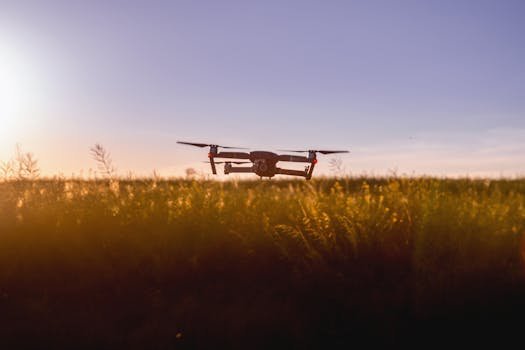
Dr. Emilia Carter, an agritech specialist with over 20 years of experience, shares her perspective:
“Drone technology has democratized precision agriculture. What was once the exclusive domain of large corporations is now accessible to small farmers. With drones, even a family-run farm can demonstrate efficiency, reduce input costs, and improve crop quality. The key is to embrace the technology early and let the data guide your decisions.”
Her words reflect a broader trend in the industry. By providing detailed, location-specific insights, drones allow farmers to adopt a more scientific approach to farming. This is particularly empowering for small farmers who must make every dollar count.
Expert Insight Two: Marcus Lee
Marcus Lee, a successful farmer and tech entrepreneur, has experienced the direct benefits of incorporating drone systems in his operations. He notes:
“Integrating drones into farm management turned my operations around. Not only did I see a boost in productivity, but I also became more agile in responding to environmental challenges. With real-time data at my fingertips, I could adjust irrigation schedules and nutrient applications in a matter of minutes.”
Marcus’s experience underscores the transformative potential of drone deployment. His approach combined investment in the latest technology with continuous learning, a model that many small farmers can emulate to similar success.
Inspiring Case Study: The Iowa Row Crop Farm
At an Iowa row crop farm, the introduction of drone-based monitoring led to a dramatic turnaround. Before adopting the technology, the farm suffered from inconsistent yields and erratic pest outbreaks. After the implementation of a drone-based monitoring system, the farm was able to map field variability with high precision. Pests were detected early in their life cycle, and water usage was optimized.
As a result, pesticide usage decreased by 30% and water usage by 25%, while overall yield increased by nearly 15%. Such tangible improvements have not only significantly boosted the profitability of the farm but have also fostered a more sustainable approach to crop management.
Community and Knowledge Sharing
Small farmers often rely heavily on community networks. Attending regional workshops or joining online forums dedicated to drone technology in agriculture opens up a wealth of shared experiences and clever hacks. Many farmers have found partners in local cooperatives or consortiums that focus on technology-driven farming practices.
For instance, a local group of organic farmers in the Midwest recently joined forces to collectively purchase a high-end drone system, splitting the cost and scheduling its use across multiple fields. Their success further illustrates that collaboration, coupled with innovative technology, is a winning strategy in modern agriculture.
Overcoming Challenges and Navigating Regulations
While the promise of drone technology is immense, it is not without challenges. Small farmers must consider regulatory, operational, and technical hurdles as they integrate drones into their practices.
Regulatory Hurdles
Many countries have specific regulations governing the use of drones in commercial applications. Understanding these rules is vital for safe and legal operations. In the United States, for example, the FAA has stringent guidelines that drone operators must follow. Training and certifications are often required not only for safety but also to ensure regulatory compliance. For more details on these guidelines and to stay updated, refer to FAA’s official website.
Adapting to regulatory constraints requires careful planning. Small farmers should consider joining local and regional associations that provide updates and training on these regulations. This network can also serve as a support system to help navigate bureaucratic challenges.
Technical and Operational Challenges
Drone technology is evolving quickly, which means that the operational parameters can change over time. Maintenance of equipment, software updates, and the need for technical support are recurring challenges. Farmers must allocate resources for regular upkeep and training to keep up with advancements.
On the operational side, weather conditions such as strong winds or rain can impact drone performance. For instance, rain can obscure camera lenses, affecting the quality of the data collected. Moreover, understanding the best times for drone flights to minimize interference and maximize efficiency is essential. Building an adaptable schedule that accounts for these variables is a key part of operational planning.
Financial Considerations
The initial cost can be daunting, although the long-term benefits in efficiency and crop yield usually justify the expense. Many small farmers are turning to government incentives, agricultural grants, and cooperative buying groups to mitigate the financial burden. Exploring these options can lead to significant savings and a smoother transition to high-tech farming.
Practical Tips for Smooth Integration
- Start Small: Begin with a pilot project on a section of your farm to understand the technology before full-scale investment.
- Join Agricultural Tech Forums: Online communities provide useful insights and advice from fellow farmers and experts.
- Schedule Regular Upgrades: Invest time in maintaining and updating your drone technology. A well-maintained system is more reliable and effective.
- Plan for Downtime: Weather and unforeseen technical issues can temporarily halt operations. Having a contingency plan can ensure you’re never caught off guard.
By anticipating challenges and developing strategies to address them, small farmers can successfully incorporate drone technology into their operations without prohibitive risks.
Future Trends in Agricultural Drone Technology
As we look ahead, the future of drone technology in agriculture is filled with exciting possibilities. Emerging trends promise to further empower small farms and enhance crop yields, efficiency, and sustainability.
Integration with Artificial Intelligence and Machine Learning
One of the most promising developments on the horizon is the integration of artificial intelligence (AI) and machine learning (ML) with drone data. As AI becomes more adept at interpreting large datasets, drones will not only collect data but also provide predictive analytics. This means that farmers will be able to anticipate issues such as pest infestations, nutrient deficiencies, or water stress before they escalate. Imagine a system that not only identifies a stressed crop area but also suggests the optimal intervention based on historical data and real-time conditions.
Advancements in Sensor Technology
Sensor technology continues to evolve. Soon, drones will be equipped with even more sensitive sensors that can detect subtle changes in plant physiology. For instance, future sensors might have the capability to differentiate between various types of nutrient deficiencies at a microscopic level. This will enable even more precise and efficient interventions, further minimizing waste and optimizing resource usage.
Automation and Fleet Management
Another foreseeable trend is the rise of fully automated drone fleets. Instead of a single drone scanning the fields, a network of interconnected drones could work harmoniously, sharing data and covering extensive areas at unprecedented speeds. Such coordinated operations could revolutionize pest control, planting, and harvesting processes. These systems would rely on advanced algorithms to optimize flight paths and data collection strategies, ensuring that every inch of farmland is monitored.
Enhanced Connectivity and Data Sharing
As rural broadband improves, real-time connectivity between drones and centralized management systems will become more feasible. This will allow for instantaneous data processing and decision-making. Farmers will be able to monitor their operations remotely and even receive automated alerts when the system detects anomalies. Enhanced connectivity will also promote greater data sharing among farming communities, paving the way for collaborative approaches to address common challenges.
Environmental Benefits and Sustainability
The push towards sustainability is a major driver behind these technological advancements. Drones reduce the need for excessive chemical applications by ensuring that interventions are applied only where necessary. This minimizes environmental impact and contributes to the broader goal of sustainable farming. The adoption of precision agriculture, powered by drone technology, aligns perfectly with global efforts to conserve resources and reduce carbon footprints.
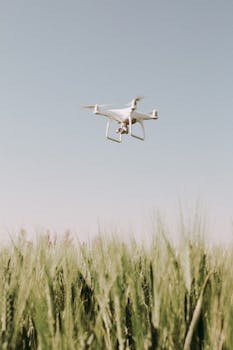
The future of agricultural drone technology is bright, and small farmers stand to gain tremendously as these innovations become mainstream. By staying informed about these trends and investing in scalable, adaptive solutions, small farms can not only stay competitive but also contribute significantly to sustainable agricultural practices.
Conclusion and Next Steps
In conclusion, the impact of drone technology on agriculture offers small farmers a transformative opportunity. “How Small Farmers Can Compete with Big Ag Using Drone Technology” is more than a tagline—it’s a call to action. By adopting modern drone systems, small-scale farmers can enhance their operational efficiency, reduce costs, and safeguard their crops through data-driven precision.
To summarize, here are the key takeaways:
- Drone technology democratizes precision agriculture, making high-tech monitoring and data analytics accessible to farms of all sizes.
- By leveraging drones, small farmers can attain the precision, speed, and efficiency once exclusive to big agribusinesses.
- Strategic steps, such as starting small, proper training, and gradual expansion, allow for effective integration of this technology.
- Collaboration, expert insights, and staying aware of regulatory and technological trends will empower farmers to meet future challenges head-on.
The journey to transform your farm begins with a single step. Research the best drone models for your needs, join local and online communities, and take advantage of training opportunities. The integrated approach of drone technology with traditional practices promises a brighter, more efficient future for agriculture.
For additional insights on innovative farming practices, visit our Precision Agriculture Success Stories page. And, if you’re curious about staying compliant with evolving regulations, check out the information provided by the FAA.
Embracing this new era might seem intimidating at first, but remember: every innovation starts with a single flight. By harnessing drone technology, small farmers can not only survive in the face of industry giants but also thrive in a competitive, ever-evolving agricultural landscape. The blend of tradition and technology is the future of farming, and that future starts with you.
Happy farming and safe flying!
Written by an experienced agricultural technology enthusiast and precision farming advocate, this blog is dedicated to empowering small farmers through innovative and sustainable farming practices.
For more insights, check out this post.
Need official data? Explore USDA.
Get Practical Ag Drone Updates
Join for field-tested reviews, regulation updates, and buying guides.