The #1 source for up-to-date news on agricultural drones, precision farming, automation, and AI in agriculture.
Stay up to date with the latest Ag-Technology innovations!


Introduction
Imagine you’re looking at rows of brand-new tractors lined up in a dealership. Each one promises something different—greater efficiency, smoother steering, improved performance. Choosing the perfect tractor for your farm can feel overwhelming, but now imagine that instead of tractors, you’re faced with an assortment of drones. The stakes are high, and you might feel that same sense of wonder, excitement, and maybe a bit of confusion. That’s precisely what happens when farmers, both large-scale and small, begin exploring the world of agricultural drones.
In this blog post, we’ll walk through How to Choose the Right Agricultural Drone for Your Farm, unraveling everything from flight time and payload capacity to data analytics software. Whether you seek to optimize precision agriculture, enhance drone-based spraying techniques, or move toward a more autonomous farming model, these aerial devices can significantly cut costs and improve yields. Drone technology is a key part of modern smart farming practices, offering reliable aerial imaging to help you make informed decisions. Right here, we’ll cut through the confusion and guide you in selecting the best aerial partner for your fields.
The world of agricultural drones continues to expand because these devices make tasks such as crop scouting, weed identification, and fertilizer application more accurate and more efficient. Think of a drone as an extra set of eyes hovering above your land, spotting issues early, and sending back valuable data. From diagnosing pest infestations to fine-tuning fertilizer schedules, drones free up your time and energy so that you can focus on bigger strategies.
But before we dive into the nitty-gritty, let’s clarify: this technology is more than just a fancy gadget. It represents a shift towards fully integrated agricultural management, an essential piece of the puzzle if you’re interested in precision agriculture and the benefits that come with real-time data. Much like picking the right tool from your toolbox, knowing How to Choose the Right Agricultural Drone for Your Farm can dramatically influence your yields, profit margins, and overall peace of mind.
This blog post is designed to be your friendly guide, breaking down the complex factors at play—capabilities, costs, regulations, and practical applications—to help you make the best choice for your farm. So, buckle up. You’re about to take flight into the future of agriculture.
Table of Contents
- Understanding Agricultural Drones
– The Rise of Precision Agriculture
– The Evolution of Drone-Based Spraying
– Embracing Autonomous Farming and Smart Farming
– The Role of Aerial Imaging - Key Features to Consider
– Flight Time and Battery Life
– Payload Capacity
– Camera and Sensor Technology
– Ease of Use and Autonomy
– Software and Data Analysis
– Durability and Weather Resistance - Operational Considerations and Regulations
– Permissions and Certifications
– Insuring Your Drone
– Data Privacy and Security - Cost Analysis and ROI
– Initial Investment vs. Long-Term Savings
– Calculating Return on Investment (ROI) - Step-by-Step Drone Acquisition Process
– Assessing Your Farm’s Needs
– Research and Comparison
– Testing and Trial Runs - Maintaining and Troubleshooting Your Drone
– Routine Maintenance
– Common Issues and Quick Fixes
– Optimizing Drone Longevity - Real-World Success Stories
– Small Family Farm Example
– Large-Scale Enterprise Success - Frequently Asked Questions
- Conclusion
1. Understanding Agricultural Drones
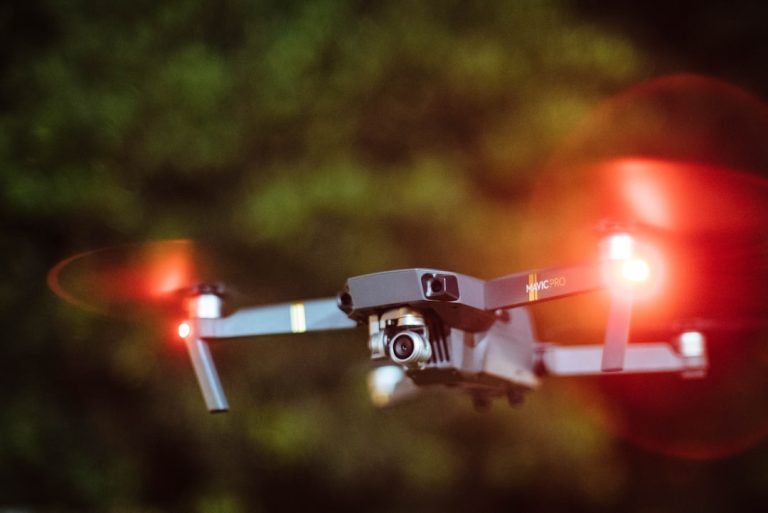
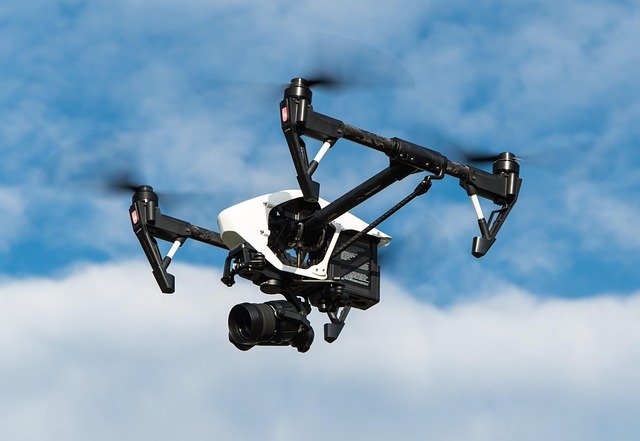
If you’ve ever taken a moment to look up into the sky while working in your fields, you can probably imagine the possibilities of having a drone’s-eye view on your farm. Agricultural drones, in essence, are unmanned aerial vehicles (UAVs) designed for farming purposes. They are often equipped with specialized sensors and cameras to capture real-time data on soil conditions, crop health, and more. Let’s pull back the curtain and look at how these flying assistants contribute to the broader goals of precision agriculture.
The Rise of Precision Agriculture
Precision agriculture is the concept of using data, technology, and strategic planning to optimize farming practices. It’s the opposite of a blanket approach—where you’d apply the same fertilizer across your entire field. Instead, you apply resources exactly where and when they’re needed. Here’s where drones enter the picture: they give farmers the exact data they need to make proactive decisions. Drones can survey expansive acres quickly, identify areas that need more attention, and even help map out yield variations.
In the past, farmers often relied on guesswork and visual cues while driving through fields. Today, drone data provides precise, color-coded maps with actionable insights. Want to know which of your corn rows got less water last week? Just put your drone in the air. Worried about pests in your soybean field? Review the images and spot areas of distress. That’s precision agriculture in full swing, using timely intelligence gathered from the sky.
The Evolution of Drone-Based Spraying
One of the most significant advancements is drone-based spraying. Traditional methods involve tractors pulling sprayers or even aerial spraying by manned aircraft. While effective, these methods can be expensive, time-consuming, and sometimes imprecise. Drone-based spraying technology, on the other hand, can hover just above the canopy and deliver the right amount of pesticides or fertilizers exactly where needed, minimizing chemical wastage and reducing the environmental footprint.
Modern spraying drones come equipped with sophisticated nozzles, adjustable spray widths, and advanced navigation systems to ensure even coverage. They can also handle narrower windows for spraying—like early mornings—reducing the time your crew spends in the field. Moreover, some advanced models can navigate autonomously, lowering the labor required even further.
Embracing Autonomous Farming and Smart Farming
Autonomous farming often conjures images of driverless tractors rolling through corn rows. But drones are at the forefront of this transformation. Beyond just flying and spraying, drones can be programmed to perform regular crop scouting missions, quickly returning after completing their scheduled tasks. This means less manual labor and more time for you to evaluate the data.
Smart farming goes hand-in-hand with autonomy. By integrating drones with real-time sensors, GPS mapping, and data analytics platforms, farmers can track crop health across the season. For instance, you might receive an alert on your phone indicating that your drone’s thermal sensor detected cold stress in a particular part of your wheat field. You can then take immediate remedial measures. It’s that kind of synergy that makes drones a powerful addition to any smart farming kit.
The Role of Aerial Imaging
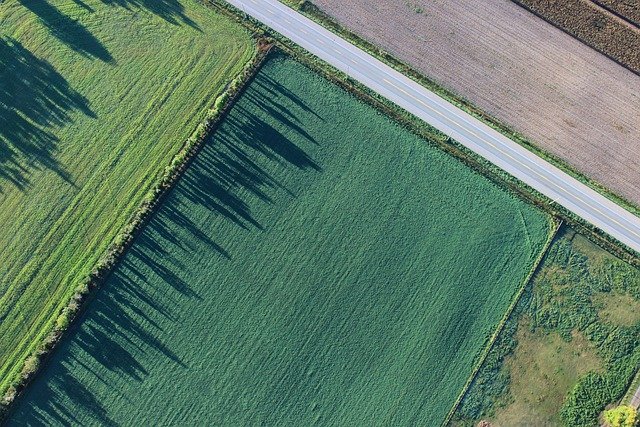
Aerial imaging is the practice of collecting visual data from above, and it’s arguably the most essential feature of an agricultural drone. These images can be in normal RGB (red, green, blue) format or in specialized spectrums like near-infrared (NIR), which helps detect plant stress earlier than the naked eye can. Thermal imaging can even reveal temperature variations in the field, indicating potential irrigation issues.
With aerial imaging, you can see patterns and problems you’d never catch at ground level. Are there unusual bare spots in your soybean field? Are weeds sprouting in your corn rows? Is part of your field prone to waterlogging? Instead of driving around for hours, you can find answers by launching your drone for a 15-minute flight.
By combining aerial imaging data with advanced analytics software, you can generate detailed maps of soil health, detect nutrient deficiencies, and keep a close watch on crop development. It’s no wonder so many farmers now view drones as an essential pillar of modern, data-driven agriculture.
2. Key Features to Consider
When exploring How to Choose the Right Agricultural Drone for Your Farm, you’ll want to evaluate multiple specs and features. Like buying any piece of machinery, you want something that fits your specific challenges, budget, and operational style. Here are the big-ticket items to keep in mind.
Flight Time and Battery Life
Flight time is crucial. Drones rely on rechargeable lithium-ion or lithium-polymer batteries, and the flight duration can range from 15 minutes to over 50 minutes in high-end models. Imagine you have 200 acres to survey; the longer the drone can stay airborne on a single charge, the quicker you can complete the job.
Selecting a drone with sufficient flight time means fewer battery swaps and greater efficiency. However, also look at how easily you can change batteries in the field. Some models have hot-swappable battery systems, enabling you to quickly replace a drained battery with a fresh one, minimizing downtime between flights.
Payload Capacity
Payload capacity refers to how much weight the drone can carry while still functioning optimally. This becomes especially important if you plan on using the drone for spraying pesticides or fertilizers. The heavier the payload (i.e., the tank of liquid chemicals), the shorter the potential flight time. Thus, a balance must be achieved.
If you only plan on using the drone for imaging or mapping, a smaller payload capacity might suffice. But if drone-based spraying is in your plan, go for a model designed to handle heavier loads. This might require a more robust frame, more powerful motors, and larger propellers.
Camera and Sensor Technology
Drones can be equipped with a range of sensors, from simple HD cameras to multispectral and thermal imaging devices. If your main goal is crop scouting, you might only need a high-resolution RGB camera. But if you’re keen on capturing rich data—like identifying nitrogen deficiencies or spotting pest infestations before they spread—you might need advanced sensors.
Multispectral cameras capture light in multiple wavelengths, revealing a depth of data about plant health. Thermal sensors can identify temperature variations, useful for pinpointing irrigation issues or even tracking livestock. Keep in mind that drones with more advanced sensors often come at a higher price point, but the quality of data they collect can lead to better decisions and, ultimately, more profitable harvests.
Ease of Use and Autonomy
Even the most advanced drone won’t be much help if it sits in your barn due to a complicated learning curve. Ease of use involves an intuitive remote control, clear user manuals, and helpful customer support. Some drone manufacturers offer step-by-step apps that make flight planning as simple as marking waypoints on a map and pressing ‘launch.’
Additionally, look for features like autonomous flight paths to streamline your workflow. In autonomous farming settings, drone missions can be pre-programmed to take off and land at set times, follow a predetermined route, and capture the necessary data without constant human oversight. That kind of autonomy is ideal if you manage large operations or if you want to free up your time for other tasks.
Software and Data Analysis
Raw photos are helpful, but not if you need immediate, actionable insights. This is where specialized software comes in. Many agricultural drones come bundled with proprietary software that can stitch images into orthomosaic maps, highlight problem areas, and even make yield predictions.
Before committing to a drone, investigate its accompanying software ecosystem. Does it have integrated farm management tools? Can you export the data to a platform you already use? Does it require an ongoing subscription? These are vital considerations, especially if you plan to scale up your drone usage.
Durability and Weather Resistance
Agriculture happens under varying conditions—early mornings bathed in dew, scorching summer afternoons, and even light rain conditions. If a drone is too fragile to handle a bit of moisture or dust, it might not be the best investment. Look for drones built with robust, weather-resistant materials. Some devices come with official Ingress Protection (IP) ratings indicating they can handle dust and mild splashes of water.
While you should always try to fly under safe weather conditions, accidents happen. A sturdy drone with good customer support and available replacement parts can save you money and headaches in the long run.
3. Operational Considerations and Regulations
Owning a drone is not just about having the best specs; it also involves understanding the legal and operational aspects. You can’t just send a drone into the air without adhering to some rules, especially when it comes to spraying chemicals or flying in restricted airspace.
Permissions and Certifications
Depending on your location, there may be specific certifications or licenses required to operate agricultural drones. In the United States, for example, farmers need to comply with Federal Aviation Administration (FAA) regulations, which may involve obtaining a Remote Pilot Certificate for commercial operations. Some countries require additional permissions for carrying chemical payloads.
It’s essential to keep updated on local regulations because they can affect your ability to fly over residential areas or near airports. If you’re unsure, consult a local aviation authority or a legal advisor specializing in drone regulations.
Insuring Your Drone
Accidents can happen. Your drone might crash into a tree, experience a software malfunction, or collide with unexpected wildlife. Drone insurance can help cover repair or replacement costs and protect you if your drone accidentally damages someone’s property. Policies can vary widely, so be sure to explore coverage limits, deductibles, and any specific clauses related to agricultural drone operations.
Data Privacy and Security
One aspect sometimes overlooked is data privacy. Drones collect images and potentially personal information. Make sure your data is stored securely, and be transparent with neighbors or community members about your drone’s purpose—collecting crop data rather than spying on private activities.
On the security side, some drones are more vulnerable to hacking if not protected properly. Always install firmware updates, use secure connections, and store flight data on password-protected devices. The last thing you want is a security breach that compromises your farm’s proprietary information.
4. Cost Analysis and ROI
Drones aren’t cheap, especially once you factor in advanced sensors and robust software. But they can quickly pay for themselves by reducing labor costs, improving yields, and minimizing resource wastage. Let’s delve into how.
Initial Investment vs. Long-Term Savings
A basic imaging drone can set you back a few thousand dollars, while top-of-the-line spray drones with advanced sensors may cost $10,000 or more. That may seem steep, but consider the long-term savings:
• Reduced Labor: Fewer hours spent walking or driving through fields.
• Resource Efficiency: Minimizing wasted fertilizer or pesticides through targeted spraying.
• Early Problem Detection: Catching infestations early can save entire crops from destruction.
Many farmers recoup the initial costs within a season or two, especially if they’re managing large acreages. Even for smaller farms, the improved data-driven decision-making can enhance crop quality and reduce time-consuming manual tasks.
Calculating Return on Investment (ROI)
How do you measure if your drone is paying off? One way is to track differences in yield before and after drone adoption. Let’s say you invest $5,000 in a drone and related software. If that drone helps you identify and resolve a rootworm infestation in your cornfield, potentially saving you $10,000 in lost yield, your ROI is already positive.
Additionally, consider labor savings. If a drone cuts down your scouting time by 50%, freeing you or your employees to do other tasks, that’s cost-saving you can quantify. The data can also help optimize planting densities and fertilizer usage over multiple seasons, further increasing your returns.
5. Step-by-Step Drone Acquisition Process
Now that we’ve tackled the essentials, let’s outline a straightforward process to guide you in How to Choose the Right Agricultural Drone for Your Farm.
Assessing Your Farm’s Needs
Start with a clear idea of what you want to achieve. Is your primary goal to capture high-quality aerial imaging to manage healthy crop growth, or do you also want a drone-based spraying system? What crops do you grow, and do they require specialized sensors, such as thermal imaging or multispectral data?
• Crops and Acreage: The size of your farm and the crops you cultivate can influence which drone features matter most.
• Budget: Set a realistic budget, keeping in mind additional costs like insurance, licensing, and spare batteries.
• Labor: Who will operate, maintain, and troubleshoot the drone?
Research and Comparison
Next, do thorough research. Read reviews, watch video demonstrations, and talk to other farmers. Pay close attention to:
• Flight Time: Does it meet your operational needs?
• Payload Capacity: Particularly vital if you plan on drone-based spraying.
• Camera Quality: How advanced do your sensors need to be?
• Autonomy Level: Simple or advanced?
• Software and Compatibility: Can you sync data with your existing farm management platform?
During this phase, also look into the manufacturer’s reputation. How strong is their customer support? Are replacement parts and accessories readily available?
Testing and Trial Runs
Whenever possible, try before you buy. Some dealers or local agritech fairs offer demonstrations. Alternatively, you can rent or borrow a drone to see if it suits your farming style. Testing is crucial. You’ll want to see how the drone handles weather variations, how clear the images are, and how easy the flight planning app is to use.
• Check Flight Stability: Does wind greatly affect it?
• Evaluate Ease of Use: Is the learning curve manageable?
• Assess Data Output: Are the maps and analytics intuitive and actionable?
6. Maintaining and Troubleshooting Your Drone
Like any piece of technology, drones require maintenance to keep them running smoothly. Regular care and immediate troubleshooting can keep your investment operational for longer.
Routine Maintenance
- Battery Care: Always charge and store batteries according to the manufacturer’s guidelines. Extreme temperatures can degrade battery life.
- Cleaning: Clean the drone’s body, propellers, and sensors after each flight to remove dust, pesticide residues, or other debris.
- Firmware Updates: Periodically check for software updates that may improve flight stability or camera performance.
- Storage: Store the drone in a cool, dry place, preferably in a protective case to avoid damage.
Common Issues and Quick Fixes
• Unsteady Flight: Could be caused by a miscalibrated compass or accelerometer. Recalibrate the drone using its app or instructions.
• Poor Image Quality: Check if the camera lens is clean and the sensor is free of dust. Sometimes, you might need firmware updates.
• Shortened Flight Time: Batteries may be nearing the end of their lifecycle. Replace old batteries.
• Connectivity Problems: Inspect antennas, confirm you have the latest mobile app version, and ensure you’re not in a high-interference area.
Optimizing Drone Longevity
If you treat your drone as you would your favorite tractor, regularly tune it up, and keep an eye on wear and tear, you’ll likely enjoy years of reliable service. Conduct predictive maintenance: track flight hours, keep a log of any mechanical quirks, and replace parts proactively. This approach can save downtime during critical planting or harvesting windows.
7. Real-World Success Stories
Nothing is more convincing than real-life examples. Let’s explore two scenarios—one small family farm and one large-scale enterprise—and see how they integrated drones successfully into their day-to-day operations.
Small Family Farm Example
Meet the Johnson family. They operate a modest farm of 100 acres of mixed crops—corn, soybeans, and a few rows of specialty vegetables. Initially, they hesitated to invest in drone technology because of the perceived cost and complexity. However, after noticing irregular patches in their cornfield, they decided to give a mid-range agricultural drone a try.
The results:
• Early Detection: With real-time aerial imaging, they discovered a basketball-court-sized area of crops suffering from nutrient deficiencies.
• Targeted Interventions: Instead of spreading fertilizer across the entire field, they focused only on the affected patch.
• Resource Savings: The family cut fertilizer costs by 15% and boosted their yield by 10% compared to the previous season.
For a smaller operation, the drone’s cost was recovered in under a year, and they now plan to upgrade to a model with thermal imaging next season.
Large-Scale Enterprise Success
Now consider Lakeside Farms, a 5,000-acre operation specializing in wheat, barley, and oilseeds. They invested in a fleet of advanced drones equipped with multispectral cameras and automated flight planning.
The outcomes:
• Wide-Area Coverage: Drone teams mapped hundreds of acres in a single morning.
• Integrated Data: All aerial images automatically synced with farm management software, facilitating rapid decision-making.
• Minimal Chemical Waste: By employing drone-based spraying, they precisely targeted areas requiring fungicides, cutting chemical usage by nearly 30%.
The enterprise soon realized substantial cost savings on chemicals, reduced labor expenses, and improved yields across multiple fields.
8. Frequently Asked Questions
- Do I need a license to operate an agricultural drone?
– In many regions, yes. Always check local regulations. In the United States, the FAA requires a Remote Pilot Certificate for commercial flying. - How long does a typical drone battery last?
– Anywhere from 15 to 50 minutes, depending on the model, weather conditions, and payload. - Can drones operate in rain or windy conditions?
– Some drones have weather-resistant designs, but it’s generally advised to avoid heavy rain or high winds. - Is it difficult to learn how to fly a drone?
– Many modern drones come with user-friendly flight planning and stabilization features. A bit of practice and proper training go a long way. - What if my drone crashes?
– Check your warranty or insurance plan. Many manufacturers offer repair services. Crashes are more common in the learning phase, so practice in open areas.
9. Conclusion
When it comes to How to Choose the Right Agricultural Drone for Your Farm, it’s all about matching the technology to your unique needs. Are you primarily pursuing precision agriculture data for crop health evaluations, or do you want a drone-based spraying system for more autonomous farming? Perhaps you’re intrigued by the potential of smart farming or see a major role for aerial imaging in your planning and resource allocation. No matter your goals, the right drone can catapult your farm operations into a new era of efficiency and insight.
If you’re new to drone technology, consider starting with a user-friendly model before scaling up to advanced multispectral sensors or large payload capacities. Remember to assess flight time, payload limits, and the software ecosystem that accompanies your chosen drone. Factor in operational rules—like needing a license—and always ensure you have proper insurance coverage.
Your voyage into aerial crop monitoring is an investment not only in modern technologies but in the overall well-being of your farm. If you treat your drone as a powerful tool in your agricultural toolkit—like a well-maintained tractor—it can yield tremendous returns on investment. It’s no longer just about hoping your fields thrive; it’s about using real-time data to make informed, timely decisions.
Now’s the time to explore this technology further. For more insights on sustainable practices, check out our article “Crop Rotation Strategies for Healthier Soil” (Internal Link). Make sure you also stay informed on guidelines from reputable bodies like the United States Department of Agriculture (USDA) (External Link) for regulatory compliance and best practices.
We invite you to take the next step. Subscribe to our newsletter to stay updated on the latest drone technologies, or browse our selection of recommended agricultural drone packages. Take flight—and see how a bird’s-eye view can transform your yield and workflow.
For more insights, check out this post.
Need official data? Explore USDA.
Get Practical Ag Drone Updates
Join for field-tested reviews, regulation updates, and buying guides.