The #1 source for up-to-date news on agricultural drones, precision farming, automation, and AI in agriculture.
Stay up to date with the latest Ag-Technology innovations!


 }
}
The Integration of AI and Machine Learning into Agriculture Practices: Transforming Farming
Introduction
Imagine your farm as a symphony, where every instrument plays in harmony to create a masterpiece. Now, picture AI and machine learning as the conductors, ensuring each element works seamlessly together. The Integration of AI and Machine Learning into Agriculture Practices is orchestrating a revolution in farming, enhancing productivity, sustainability, and efficiency like never before. Whether you’re a seasoned farmer or an agriculture enthusiast, understanding this integration is crucial for staying ahead in the evolving agricultural landscape.
Table of Contents
- Understanding AI and Machine Learning in Agriculture
- Key Benefits of Integrating AI into Farming
– Enhanced Crop Monitoring
– Precision Farming Techniques - Machine Learning Applications in Agriculture
– Predictive Analytics for Yield Forecasting
– Pest and Disease Detection - Challenges and Considerations
- Expert Insights on AI Integration
- Practical Tips for Farmers
- Future of AI and Machine Learning in Agriculture
- Conclusion
Understanding AI and Machine Learning in Agriculture
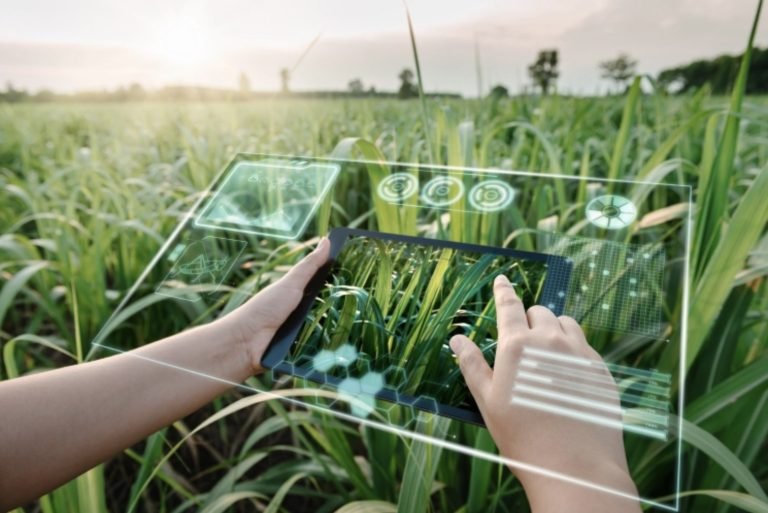
The Integration of AI and Machine Learning into Agriculture Practices involves using advanced technologies to analyze data, automate processes, and make informed decisions. AI systems can process vast amounts of information from various sources like satellite imagery, soil sensors, and weather forecasts to provide actionable insights. Machine learning algorithms learn from historical data to predict future trends, optimize resource usage, and improve overall farm management.
Key Benefits of Integrating AI into Farming
Enhanced Crop Monitoring
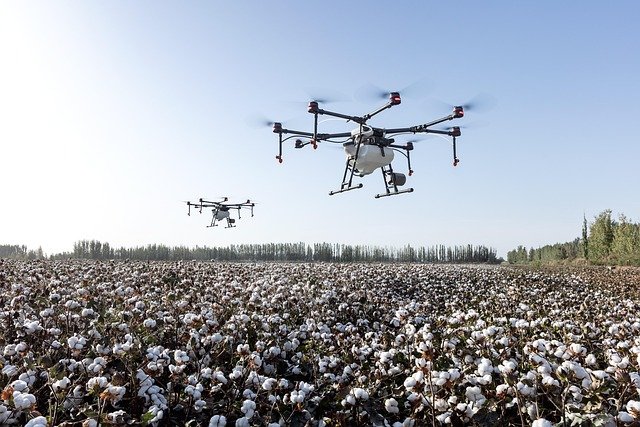
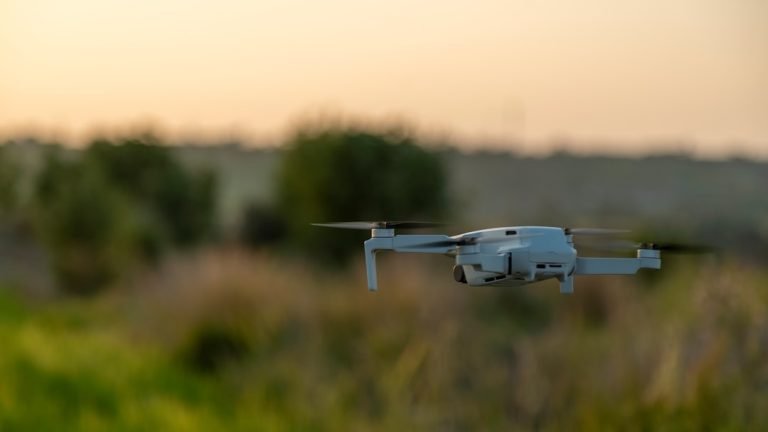
AI-powered drones and sensors offer real-time monitoring of crop health. They can detect nutrient deficiencies, water stress, and pest infestations early, allowing farmers to take timely actions. This proactive approach minimizes crop loss and maximizes yield.
Precision Farming Techniques
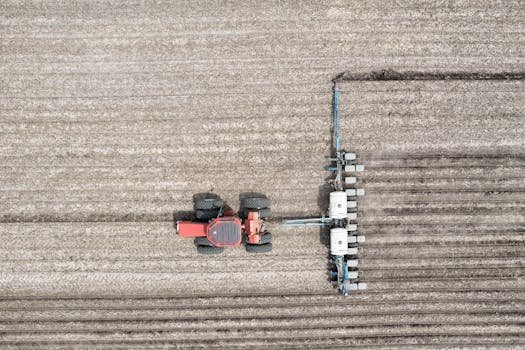
Precision farming uses AI to optimize planting patterns, irrigation schedules, and fertilizer application. By precisely targeting where and how much to apply resources, farmers can reduce waste, lower costs, and enhance crop quality.
Machine Learning Applications in Agriculture
Predictive Analytics for Yield Forecasting
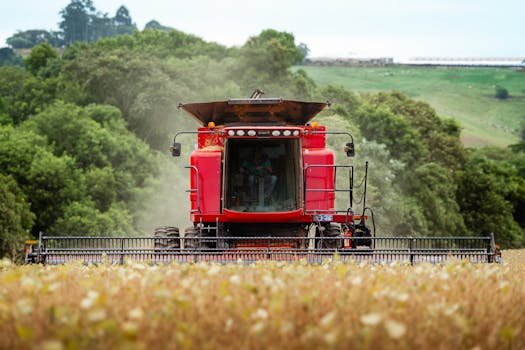
Machine learning models analyze historical data and current conditions to predict crop yields accurately. This forecasting helps farmers make informed decisions about crop management, marketing strategies, and resource allocation.
Pest and Disease Detection
Early detection of pests and diseases is crucial for effective management. Machine learning algorithms can identify signs of infestations or infections from images and sensor data, enabling prompt interventions to prevent widespread damage.
Challenges and Considerations
While the benefits are substantial, integrating AI and machine learning into agriculture comes with challenges. High initial costs, data privacy concerns, and the need for technical expertise can be barriers for some farmers. Additionally, ensuring data accuracy and system reliability is essential for successful implementation.
Expert Insights on AI Integration
Dr. Emily Thompson, an agricultural AI specialist, states, “The Integration of AI and Machine Learning into Agriculture Practices is not just a trend but a necessity for the future of farming. It enables precision and efficiency that traditional methods cannot match.”
John Martinez, a sustainable farming advocate, adds, “Adopting AI technologies in agriculture empowers farmers to make data-driven decisions, leading to increased productivity and sustainability. It’s a game-changer for the industry.”
Practical Tips for Farmers
- Start Small: Begin with pilot projects to test AI applications on a smaller scale before full-scale implementation.
- Invest in Training: Equip yourself and your team with the necessary skills to operate and maintain AI technologies.
- Leverage Data: Collect and manage data effectively to maximize the benefits of AI and machine learning.
- Collaborate: Work with technology providers and agricultural experts to stay updated on the latest advancements.
- Monitor and Adapt: Continuously assess the performance of AI systems and make adjustments as needed.
Future of AI and Machine Learning in Agriculture
The future holds immense potential for AI and machine learning in agriculture. Innovations like autonomous tractors, smart irrigation systems, and advanced genetic analysis are on the horizon. These technologies promise to further enhance efficiency, sustainability, and resilience in farming practices.
Conclusion
The Integration of AI and Machine Learning into Agriculture Practices is transforming the agricultural landscape, making farming more efficient, sustainable, and productive. By embracing these technologies, farmers can overcome challenges, optimize resources, and ensure food security for the growing population. As we move forward, continued innovation and collaboration will be key to unlocking the full potential of AI in agriculture.
For more insights into modern farming technologies, check out our latest article on agricultural drones.
 }
}
For more insights, check out this post.
Need official data? Explore USDA.
Get Practical Ag Drone Updates
Join for field-tested reviews, regulation updates, and buying guides.