The #1 source for up-to-date news on agricultural drones, precision farming, automation, and AI in agriculture.
Stay up to date with the latest Ag-Technology innovations!


The Role of Drones in Sustainable Water Management for Crops

Water is the lifeblood of agriculture, much like the intricate plumbing system that keeps a bustling city running smoothly. Imagine trying to manage every faucet and pipe without a central control system—chaotic and inefficient. Similarly, traditional water management in farming often lacks precision and adaptability. Enter drones: the modern solution streamlining sustainable water management for crops through cutting-edge technologies like precision agriculture, drone-based spraying, autonomous farming, smart farming, and aerial imaging. These aerial marvels are revolutionizing how farmers irrigate, monitor, and sustain their fields, ensuring optimal water use and healthier crops.
Table of Contents
- Introduction
- Precision Agriculture and Drones
– Defining Precision Agriculture
– Drones’ Role in Precision Agriculture - Drone-Based Spraying Techniques
– Benefits of Drone Spraying
– Applications in Crop Management - Autonomous Farming with Drones
– Automation in Irrigation
– Data-Driven Decision Making - Smart Farming and Aerial Imaging
– Advanced Aerial Imaging Technologies
– Monitoring Crop Health - Case Studies
– Successful Implementations
– Lessons Learned - Challenges and Future Prospects
– Technical and Regulatory Hurdles
– Future Innovations - Conclusion
- Call to Action
Precision Agriculture and Drones
Defining Precision Agriculture
Precision agriculture is an advanced farming management concept that uses technology to measure and respond to variability in crops. By focusing on specific areas of a field, farmers can optimize input usage, reduce waste, and increase yields.
Drones’ Role in Precision Agriculture
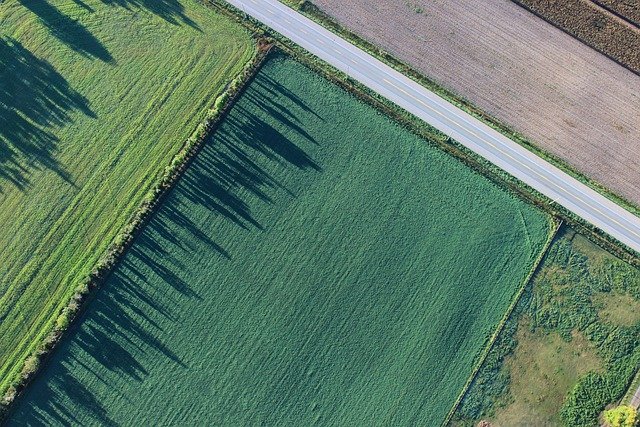
Drones equipped with sensors and cameras provide real-time data on soil moisture, crop health, and more. This data allows for precise irrigation scheduling, ensuring that each crop receives the exact amount of water needed.
Learn more about the benefits of precision agriculture.
Drone-Based Spraying Techniques
Benefits of Drone Spraying
Drone-based spraying offers numerous advantages over traditional methods, including reduced chemical use, lower labor costs, and minimized environmental impact.
Applications in Crop Management
From applying fertilizers to pesticides, drones can target specific areas, ensuring that only the necessary sections receive treatment. This targeted approach helps in maintaining the health of crops while conserving water.
Autonomous Farming with Drones
Automation in Irrigation
Autonomous drones can manage irrigation systems without human intervention, adjusting water distribution based on real-time data. This leads to more efficient water use and healthier crops.
Data-Driven Decision Making
By collecting and analyzing data, drones enable farmers to make informed decisions about planting schedules, irrigation needs, and crop rotation strategies.
Smart Farming and Aerial Imaging
Advanced Aerial Imaging Technologies
High-resolution cameras and thermal imaging allow drones to monitor crop health from above. These technologies can detect issues like nutrient deficiencies or pest infestations early, allowing for timely intervention.
Monitoring Crop Health
Regular aerial imaging provides continuous monitoring, helping farmers maintain optimal growing conditions and manage resources more effectively.
Case Studies
Successful Implementations
Several farms worldwide have successfully integrated drones into their water management systems, resulting in increased yields and reduced water usage.
Lessons Learned
These case studies highlight the importance of proper training, technology integration, and continuous monitoring to maximize the benefits of drone technology in agriculture.
Challenges and Future Prospects
Technical and Regulatory Hurdles
Despite the advantages, the adoption of drones in agriculture faces challenges such as high initial costs, regulatory restrictions, and the need for skilled operators.
Future Innovations
Future advancements may include more affordable drone technologies, improved battery life, and enhanced AI capabilities, making drones even more integral to sustainable water management.
Conclusion
Drones are transforming sustainable water management for crops, offering precision agriculture, efficient drone-based spraying, autonomous farming, smart farming, and advanced aerial imaging. As technology continues to evolve, the role of drones in agriculture is set to become even more significant, ensuring that farming remains resilient and sustainable in the face of growing environmental challenges.

Call to Action
Are you ready to revolutionize your farming practices with drone technology? Subscribe to our newsletter to stay updated on the latest advancements in agricultural drones and sustainable farming techniques. Embrace the future of farming today!
For more insights, check out our latest in drone technology.
External Source: Food and Agriculture Organization.
For more insights, Check out our precision farming guide.
Need official data? Explore official USDA resources.
Get Practical Ag Drone Updates
Join for field-tested reviews, regulation updates, and buying guides.