The #1 source for up-to-date news on agricultural drones, precision farming, automation, and AI in agriculture.
Stay up to date with the latest Ag-Technology innovations!


DJI Agras T40 Spray Drone: The Future of Farming Takes Flight
Word Count: ~4,200+ (Approx.) (20min read)
Table of Contents
- Introduction: A Game-Changer in Agriculture
- Hook: Imagine a Fleet of Mini Helicopters Tending Your Fields
- Overview: The Rise of Agricultural Drones
- Key Features of the DJI Agras T40
- Design and Build Quality
- Flight Performance and Stability
- The Spraying System in Action
- Payload Capacity and Efficiency
- Ease of Use and User Experience
- Maintenance, Durability, and Support
- Pricing and Return on Investment (ROI)
- Comparison with Competitors
- Real-Life Scenarios and Analogies
- Pros and Cons
- Final Thoughts: Embracing Drone Technology in Modern Farming
1. Introduction: A Game-Changer in Agriculture
Welcome to the future of farming. The DJI Agras T40 spray drone is more than just a high-tech gadget; it’s a revolutionary piece of agricultural technology that promises to change the way farmers tend their fields. Over the last decade, the growth of precision agriculture has yielded many innovative tools to optimize yields, reduce labor costs, and minimize environmental impact. At the forefront of these innovations are agricultural drones, and one of the leading products in this emerging field is the DJI Agras T40.
In this comprehensive review, we will dive deep into every aspect of the Agras T40—from its design and flight performance to its spraying capabilities, maintenance, and overall cost-effectiveness. If you’ve been curious about drone technology and how it can uplift your farming practices, then fasten your seat belts as we explore why the DJI Agras T40 is often considered a top choice in modern smart farming solutions.
Whether you’re a large-scale agricultural operation or a small organic farm looking for ways to stay competitive, this drone offers potential solutions that could transform your entire approach to crop management. Let’s explore how the Agras T40 can be a powerful ally in your journey toward higher yields, lower costs, and a more sustainable future.

2. Imagine a Fleet of Mini Helicopters Tending Your Fields
Before we plunge into the details, picture a small fleet of mini-helicopters diligently hovering over your fields, spraying just the right amount of water, fertilizer, or pesticide exactly where it’s needed. No overspray, no wasted resources—just precision, efficiency, and peace of mind. Now shrink that mental image to a single automated drone that can be deployed quickly and managed with ease, requiring fewer resources and delivering better results. That’s the promise of the DJI Agras T40.
In essence, this drone is like having a dedicated farmhand who never tires, never sleeps, and follows precise instructions to the millimeter. From paddy fields to vineyards, orchards, and vegetable farms, the Agras T40 takes flight to deliver consistent and accurate spraying, drastically reducing manual labor and improving productivity.
3. Overview: The Rise of Agricultural Drones
A Paradigm Shift in Modern Agriculture
Agriculture has been evolving for thousands of years, moving from hand tools to mechanized equipment, and eventually incorporating computer-aided systems. We are now witnessing an exciting era where drone technology is rapidly influencing farm management strategies worldwide.
- Precision: Traditional methods of crop spraying often result in uneven distribution of chemicals and heavy labor costs. Drones like the DJI Agras T40 can be programmed to fly at specific altitudes, speeds, and spray volumes, ensuring that the correct amount of product reaches the target crops.
- Sustainability: By using only the required quantity of chemicals, you reduce environmental impact and conserve natural resources.
- Data-Driven Decisions: Drones can collect real-time data—from soil moisture levels to plant health—enabling farmers to make informed decisions that enhance yield quality and quantity.
Why DJI?
DJI is a well-known leader in the drone market for both consumer and professional applications. The company’s reputation stems from its reliable hardware, constant software updates, and broad network of customer support. While DJI is famous for its camera drones like the Phantom or Mavic series, it has also carved out a niche in the agricultural sector with the Agras series (including models like the T16, T20, T30, and now the T40). With significant R&D investments in drone technology, DJI consistently strives to innovate and deliver cutting-edge solutions to meet the demands of modern farming.
4. Key Features of the DJI Agras T40
Below is a breakdown of the Agras T40’s standout features:
- High Payload Capacity:
- Capable of carrying a substantial load of liquid or granular substances for spraying.
- Enhanced Spraying System:
- Features intelligent nozzles that adjust spray flow and droplet size.
- Obstacle Avoidance and Safety:
- Equipped with multiple sensors that enable safe flight and reduce the risk of collisions.
- Smart Flight Planning and Automation:
- Integrates with advanced mapping tools to cover areas systematically.
- Modular Design:
- Easier maintenance and quicker part replacements to reduce downtime.
- Durable Construction:
- Built to withstand harsh agricultural environments (dust, moisture, etc.).
- Long Flight Time and Efficient Battery Management:
- Offers competitive flight durations for drones in its class.
- GPS and RTK Precision Navigation:
- Real-time positioning for accurate route mapping and spraying.
These features collectively make the Agras T40 a well-rounded solution for farm operations that require precision application of fertilizers, pesticides, herbicides, or even seeds.
5. Design and Build Quality
Robust and Practical
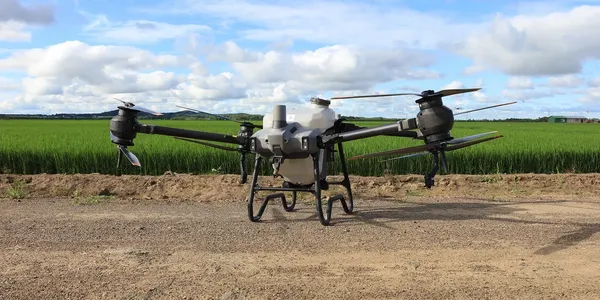
One look at the DJI Agras T40 and you immediately notice its robust construction. Designed for rugged field conditions, the drone sports a carbon fiber and high-strength composite body that resists corrosion and wear. From the sturdy arms to the protective shell enclosing the onboard electronics, everything about the T40 screams “durability.”
Most standard consumer drones look sleek but can’t handle heavy loads or rough landings without suffering damage. The Agras T40, however, boasts reinforced landing gear and a powertrain designed to deal with not just the weight of the drone itself but also several liters of liquid payload. This robust build quality extends the drone’s lifespan and reduces the frequency of repairs.
Thoughtful Layout
The T40’s arms fold in a unique mechanism that saves space when transporting or storing the drone. This folding design makes it more practical for farmers who need to move between multiple fields in the same day. The spray bars are also strategically positioned to ensure uniform coverage during flight, allowing you to spray wide or narrow patches as needed.
Weather Resistance
Agricultural work doesn’t always wait for perfect weather. Hence, the Agras T40 is designed with IP-rated protection to withstand light rain and the dust that’s inevitable in many agricultural settings. While it’s never advisable to operate any drone in extreme conditions like heavy rain or strong winds, the drone’s weather resistance provides a bit of a safety net for those days when conditions are less than ideal.
High-End Components
From brushless motors to high-quality ESCs (Electronic Speed Controllers), the T40 uses premium hardware. This ensures consistency and reliability in flight operations. Additionally, using better components means the drone can handle higher voltages and achieve greater lifting power, a crucial element for an agricultural drone intended to carry heavy payloads over large farmland areas.

6. Flight Performance and Stability
Smooth and Stable Flight
The DJI Agras T40 benefits from DJI’s long history of producing drones with top-notch flight controllers. The flight control algorithms ensure that the drone remains steady even in moderate wind conditions, which is a tremendous advantage when precise spraying is required.
- Hovering Accuracy: The combination of GPS, GLONASS, and RTK modules allows for incredibly accurate positioning, reducing the margin of error in spraying missions.
- Wind Resistance: The drone’s robust frame and powerful motors enable it to tolerate wind speeds that might ground lesser drones. This is especially useful if you need to finish your spraying tasks before an impending weather front arrives.
Intelligent Flight Modes
Multiple intelligent flight modes come standard with the Agras T40, simplifying tasks:
- Manual Flight Mode: Ideal for small fields or quick spot checks.
- Semi-Automated Mode: Allows you to set basic parameters while the drone handles the route.
- Fully Automated Waypoint Mission: Program a complete flight path beforehand. The drone will follow the route, apply the spray, and return to home automatically.
Obstacle Sensing and Avoidance
Safety is paramount, especially when you’re dealing with a drone that can carry a significant payload. The T40’s advanced obstacle sensing system uses radar and vision sensors to detect potential hazards. This feature is beneficial if your farm has trees, poles, or uneven terrain that could become collision risks. Although obstacle avoidance works well, it’s critical to plan your flight path carefully, especially in cluttered areas.
Extended Flight Time
The T40’s efficient motor systems and optimized battery life can offer flight times that are competitive in the agricultural drone market. Although flight time decreases when carrying heavier loads, the drone’s battery system is designed to maintain stable voltage and ensure maximum safety. When the battery gets low, the drone’s Return-to-Home function is automatically triggered, safeguarding your investment and preventing crashes.

7. The Spraying System in Action
Precision Spraying
At the core of any spray drone lies its spraying mechanism. The T40’s spray system incorporates multiple nozzles capable of fine atomization. This means the drone can generate very fine droplets, allowing for excellent coverage without excessive chemical use. You can also adjust:
- Flow Rate: Control how much fluid is released per minute.
- Droplet Size: Smaller droplets for a mist-like coverage or larger droplets for heavier application.
- Spray Width: Depending on the height of flight and the type of spray bar, the T40 can cover areas several meters wide in a single pass.
Uniform Coverage and Reduced Waste
One major challenge in traditional spraying is ensuring uniform coverage over the entire field. Handheld sprayers or tractor-mounted booms may result in patchy areas or overspray along the edges. The Agras T40, however, relies on its GPS-guided flight path to distribute chemicals evenly. By minimizing overlap, you reduce costs related to chemical usage and mitigate the environmental impact associated with run-off and drift.
Multiple Fluid Types
The T40 is not just limited to pesticides or fertilizers. It can also handle:
- Herbicides: Efficient for targeting weed infestations in specific areas.
- Fungicides: Crucial in preventing outbreaks of crop diseases.
- Foliar Nutrients: Helping to deliver nutrients directly to the leaves.
This versatility makes the T40 a multi-purpose tool that can be adapted to different stages of the crop cycle.
Intelligent Tank Management
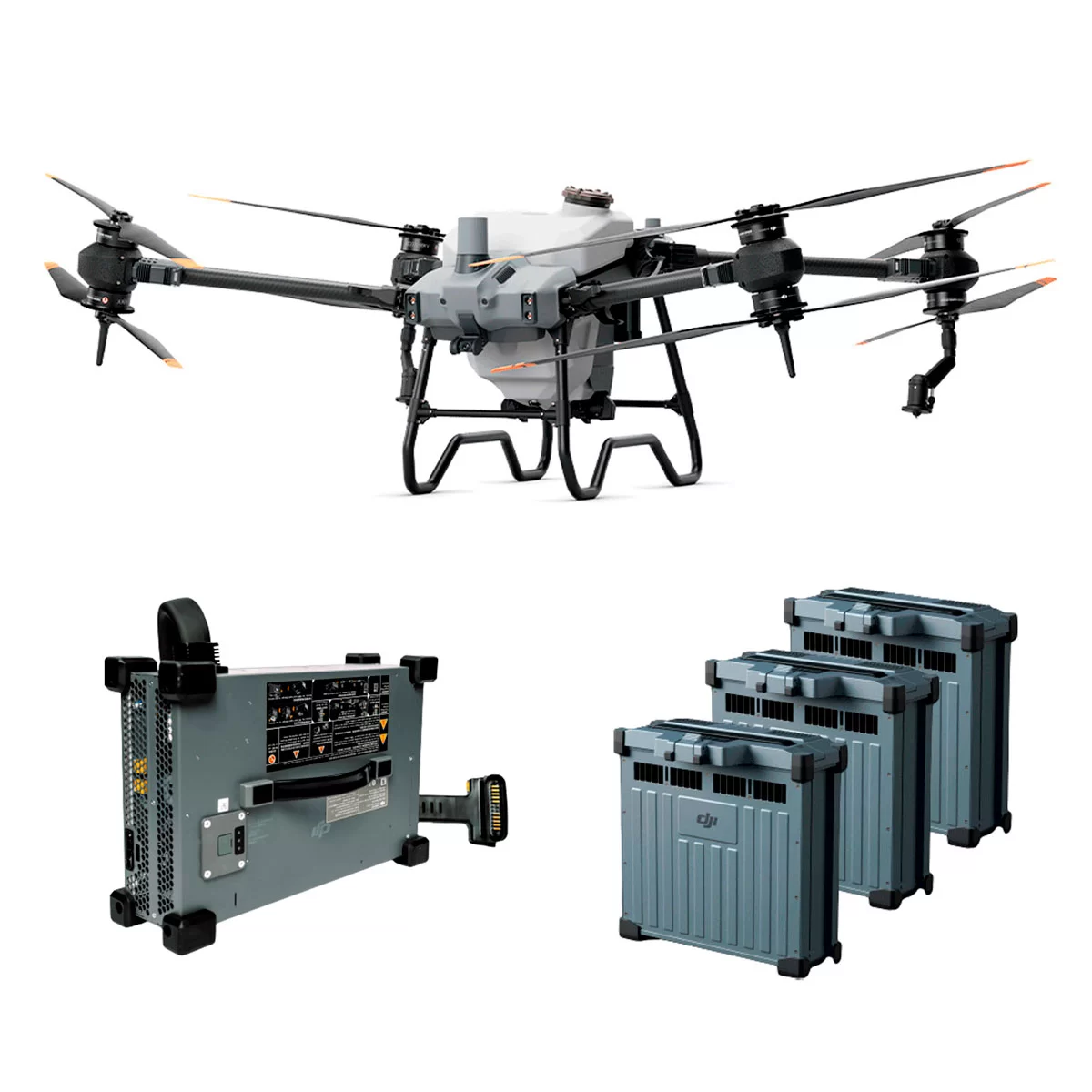
The DJI Agras T40 typically includes a smart tank system. Sensors within the tank monitor fluid levels and communicate with the flight controller to adjust the spray rate as needed. When the tank runs low, the drone can autonomously pause its mission, return to a designated refill point, and then resume the mission where it left off. This level of automation eliminates the guesswork and reduces manual oversight.
8. Payload Capacity and Efficiency
High-Capacity Tanks
A key selling point for any agricultural drone is how much payload it can carry. The T40 can carry a substantial volume of liquid, ensuring that you don’t have to constantly land, refill, and take off again. This translates into lower operational costs and time savings.
Battery and Charging Efficiency
The power required to lift heavy payloads means the drone must have a robust battery system. DJI offers high-capacity smart batteries that can be quickly swapped out to minimize downtime. Often, DJI packages these drones with proprietary charging stations that can rapidly juice up multiple batteries in rotation—ensuring near-continuous flight operations if needed.
Coverage per Hour
When you consider farmland that spans dozens or even hundreds of acres, the question arises: How many acres can the T40 cover per hour? This depends on multiple factors like flight speed, spray volume, and flight conditions. However, the general consensus from field tests is that the T40 can cover more area per hour than many other drones in its class, especially when operated in fully automated mode over relatively flat terrain.
Cost Savings Over Traditional Methods
Comparing the T40’s cost-efficiency to traditional tractor spraying or manual labor reveals significant advantages:
- Lower Chemical Costs: Precision spraying reduces wasted chemicals.
- Reduced Labor Costs: One trained drone pilot can potentially cover large fields faster than multiple workers using manual sprayers.
- Less Soil Compaction: Unlike tractors, drones do not compact the soil, preserving soil health and potentially boosting yield in the long run.
- Higher Crop Yield: By targeting issues more accurately, crops benefit from timely treatments, reducing losses due to pests or diseases.
9. Ease of Use and User Experience
Intuitive Ground Station
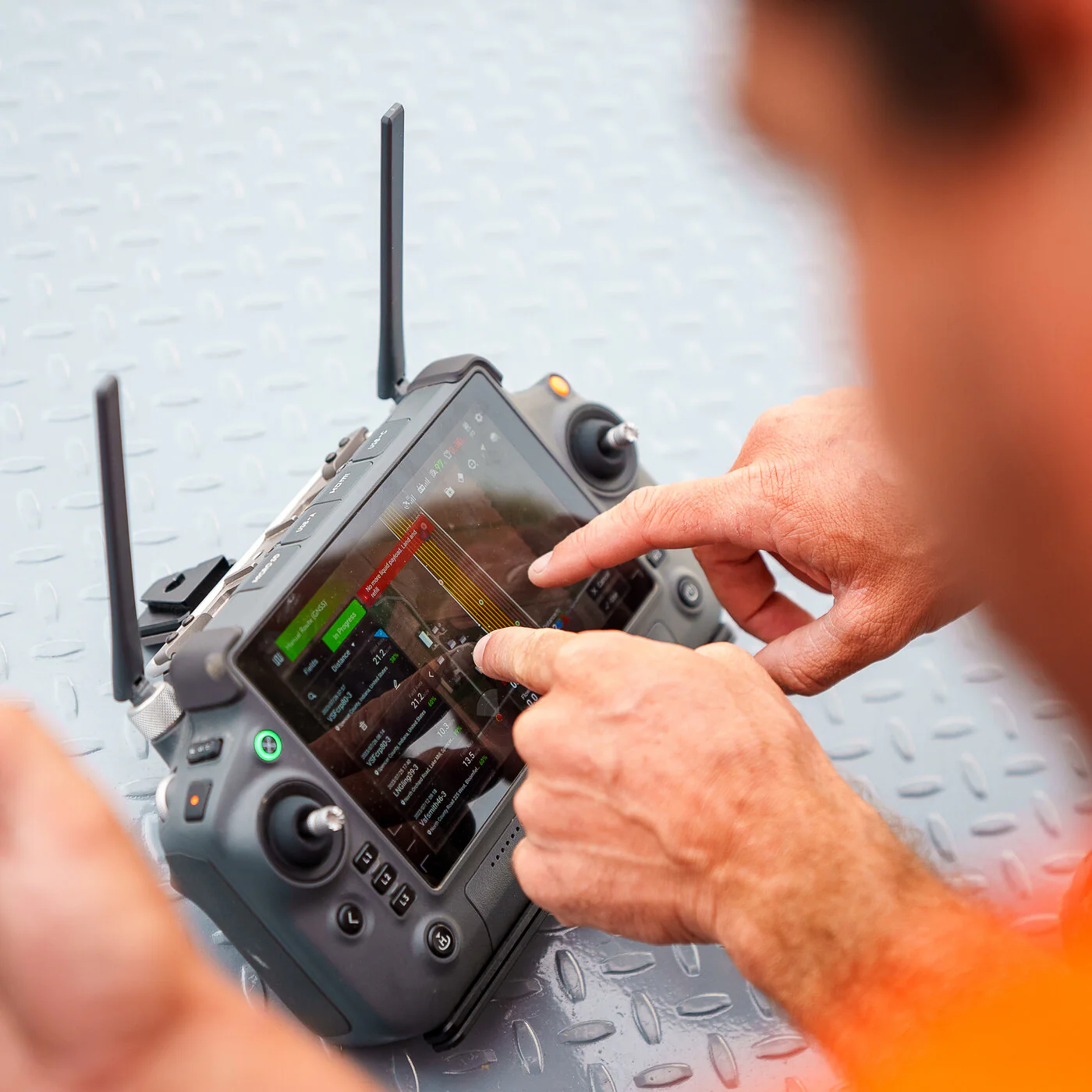
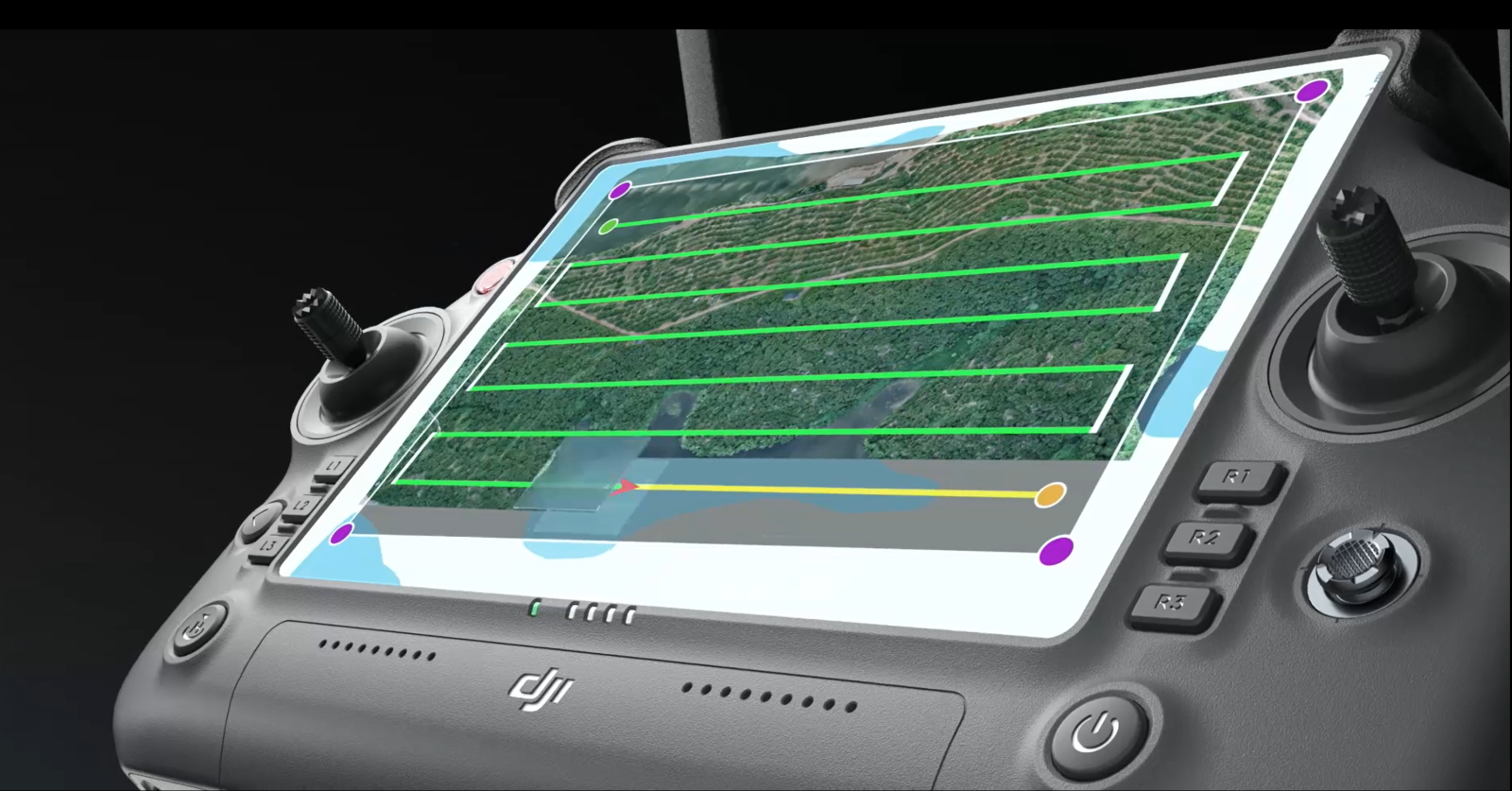
DJI has a strong reputation for designing user-friendly interfaces, and the Agras T40 is no exception. Most T40 packages come with a ground station controller that offers:
- A high-definition display for live video feed and telemetry data.
- Customizable controls for flight speed, altitude, and spray parameters.
- Automated flight planning software allowing you to map out your field and set waypoints.
Training and Learning Curve
While operating a spray drone is more complex than flying a standard camera drone, DJI’s training resources and intuitive software can help you or your staff get up to speed relatively quickly. Key skills you’ll need to master include:
- Understanding aerial mapping and how to set flight parameters.
- Learning drone safety protocols and local regulations.
- Gaining competence in routine maintenance like cleaning the spray nozzles and checking motor function.
In many regions, professional certifications or licenses are required for agricultural drone pilots. Always check your local regulations to ensure compliance.
Software Integration and Cloud Platform
The Agras T40 is compatible with DJI’s cloud-based platforms, allowing farmers to upload, analyze, and store data on their fields. This integration can be incredibly powerful for large-scale operations that need to manage multiple fields across different regions. Real-time data analysis leads to more informed decisions about fertilizer distribution, pesticide application, and planting schedules.
Pilot Safety and Control
Operating a drone loaded with chemicals is a serious responsibility. The T40’s well-thought-out safety features, including real-time battery and spray tank monitoring, as well as obstacle sensing, helps the pilot maintain secure operations. If any critical issue arises—like a sudden gust of wind or an obstacle—an emergency stop or hover function can be triggered instantly.
10. Maintenance, Durability, and Support
Routine Maintenance
Any piece of agricultural machinery requires regular maintenance, and drones are no exception. Key tasks include:
- Cleaning the Nozzles and Spray Lines: Residual chemicals can clog nozzles, leading to inconsistent spray patterns.
- Checking Motor and Propellers: Ensuring no physical damage or unusual wear that might compromise flight safety.
- Inspecting Batteries: Looking for swelling or damaged contacts and ensuring the battery’s health for optimal performance.
Durable Materials
As mentioned earlier, the T40 is built with sturdy materials that can handle the dirt, dust, and minor dings common in farm environments. This robust build means you won’t have to worry excessively about small knocks during transportation or the occasional rough landing (although best practices still recommend cautious handling).
Spare Parts Availability
With DJI’s global presence, acquiring replacement parts—from propellers to spray nozzles—is generally straightforward. This is a major advantage compared to lesser-known brands with limited distribution networks.
Customer Support and Training
DJI’s customer support options vary by region, but the company is known for its responsive service. Additionally, many third-party training centers specialize in agricultural drones, offering hands-on sessions for operators to learn best practices in drone maintenance, flight planning, and compliance.
11. Pricing and Return on Investment (ROI)
Initial Investment
The DJI Agras T40 falls into a higher price bracket compared to smaller or consumer-grade drones. A typical package, which might include one drone, batteries, chargers, remote controller, and additional accessories, can range from several thousand to tens of thousands of dollars, depending on regional pricing and optional extras (like RTK modules).
Operational Costs
When calculating total cost of ownership, factor in:
- Batteries (lifespan and replacements)
- Maintenance and Spare Parts
- Chemical Consumables
- Licensing and Insurance (if required by local laws)
However, the ongoing operational cost can be offset by the efficiencies the T40 provides:
- Lower labor expenses
- Reduced chemical wastage
- Optimized spray schedules leading to potentially higher yields
Calculating ROI
For many farmers, ROI can be seen in terms of labor savings, reduced chemical usage, and improved crop yields. If your farm deals with high-value crops or large acreage, the investment in a drone like the T40 could pay off in just a few planting seasons. Some users report covering tens of acres per battery cycle and significantly cutting back on wasted chemicals—savings that can accumulate quickly.
12. Comparison with Competitors
While the DJI Agras T40 is a top contender, it’s not the only agricultural drone on the market. Competitors include XAG, Yamaha (with its RMAX series), and Hylio. Here’s how the T40 stacks up in a few key areas:
- Payload Capacity: The T40’s payload is on the higher end, offering more liquid capacity than many competitor models.
- Flight Stability: DJI’s flight algorithms and sensor fusion technologies are industry-leading, giving the T40 an edge in precise maneuvers.
- After-Sales Support: DJI’s extensive global network generally outperforms smaller competitors, ensuring you get parts and service promptly.
- Price Point: While not the cheapest solution, the T40’s features and robust ecosystem often justify the premium.
If you’re looking for a cheaper alternative, you may find lesser-known brands with lower capacity. However, they might lack reliable support or advanced features like obstacle avoidance, which are standard in the T40.
13. Real-Life Scenarios and Analogies
Scenario 1: A Small Vineyard in Napa
Imagine a small vineyard in Napa, spanning around 20 acres. The high-value grapes are susceptible to pests and need regular fungicide applications. The farmer invests in the DJI Agras T40 to cut down labor costs (previously, workers manually sprayed each row). Now, with precise flight paths, the T40 covers the entire vineyard in a fraction of the time, with minimal chemical drift onto neighboring properties. The savings in labor and chemical use become immediately apparent, and the quality of the grapes remains high due to consistent protection.
Scenario 2: A Rice Paddy in Southeast Asia
In Southeast Asia, rice farmers often rely on intensive labor to spray pesticides and fertilizers. Not only is this time-consuming, but manual labor in knee-deep water can be backbreaking. Deploying the T40 eliminates the physical strain and ensures that the pesticide is distributed uniformly. Additionally, the drone’s GPS precision prevents chemicals from drifting into nearby water sources, helping to protect the environment.
Scenario 3: Large-Scale Commercial Farm
For a commercial farm that spans hundreds or thousands of acres, efficiency is critical. Traditional spraying with tractors can take days, and the cost of labor plus fuel adds up. The T40 can handle multiple flight missions in a single day. As the drone works autonomously—pausing only for battery swaps and tank refills—the farm manager can handle other operational tasks.
Analogy: The T40 is Like a Precision Surgeon
Think of the Agras T40 as a precision surgeon performing laser-accurate procedures on your crops. Traditional sprayers can be compared to a general practitioner—effective but not always precise. With the T40, you pinpoint exactly which part of the field needs attention, applying the correct dosage of chemicals, at the right time, and in the right place. This level of precision translates into lower costs and healthier fields.
14. Pros and Cons
Pros
- High Payload and Efficient Spraying: Reduces the frequency of refills, increases coverage per flight.
- Robust Construction: Designed to withstand challenging farm conditions.
- Advanced Flight Control and Obstacle Avoidance: Improves safety and reduces the risk of crashes.
- Time and Cost Savings: Significant reduction in labor and chemical waste.
- Scalable Solution: Works for both small and large farms, as you can integrate multiple drones.
- Comprehensive DJI Ecosystem: Reliable after-sales service, spare parts availability, and frequent software updates.
Cons
- High Initial Cost: The purchase price and accessories can be a barrier for smaller farmers.
- Regulatory Hurdles: Some regions have strict regulations around aerial spraying that can complicate the process.
- Maintenance Complexity: Requires specialized knowledge or training to maintain properly.
- Battery Limitations: While flight times are decent, you’ll likely need multiple batteries to cover large areas efficiently.
- Dependence on Good Weather: Adverse weather conditions (high winds, heavy rains) can limit usage.
15. Final Thoughts: Embracing Drone Technology in Modern Farming
The DJI Agras T40 represents a pivotal shift in how we approach agricultural tasks, especially crop spraying. By merging advanced drone flight technology with highly efficient spraying systems, DJI has created a tool that caters to the core needs of modern agriculture: efficiency, precision, sustainability, and scalability.
If you are contemplating whether a spray drone is worth the investment, consider the long-term savings in labor and chemicals, as well as the potential increase in crop yield due to more precise care. The T40 is also a compelling option for contractors who service multiple farms, offering professional-grade reliability and enough technological sophistication to handle diverse agricultural tasks.
In the end, investing in the DJI Agras T40 can be seen as future-proofing your farming operations. Just as tractors replaced horses in the early 20th century, drone technology is rapidly becoming the new standard in farm management. While the learning curve and initial costs may feel daunting, the potential ROI and efficiencies speak for themselves.
From vineyards and orchards to rice paddies and wheat fields, the T40 is transforming the way we think about precision agriculture. With its robust build, intelligent spraying capabilities, and user-friendly interface, the T40 stands as one of the most advanced agricultural drones currently available.
Final Takeaways
To ensure you stay SEO-friendly and help readers discover this content, here are some additional keywords and phrases that resonate with DJI Agras T40 and modern agricultural practices:
- Agricultural Drone Technology
- Crop Spraying Automation
- Farming Innovation
- Precision Agriculture Drone
- Spraying Efficiency
- Advanced AgTech Solutions
- Smart Farming Techniques
- Drone for Fertilizer Application
- Aerial Spray Management
- Sustainable Farm Practices
By integrating these SEO keywords in your content and metadata, you increase the visibility of your review for anyone interested in drone applications in the agriculture sector.
In Closing
The DJI Agras T40 is not just another drone; it is an all-in-one crop-spraying powerhouse that has the potential to revolutionize farming operations. With its high payload capacity, precision flight controls, intelligent spraying system, and robust design, it stands out as a premium solution for farms of various sizes.
Yes, it requires a significant upfront investment and a willingness to adapt to a new method of crop management. But for those who are ready, the rewards in efficiency, cost-savings, and crop health can be substantial.
In a world where resource management, labor shortages, and environmental sustainability are growing challenges, tools like the DJI Agras T40 lead the way in bridging the gap between traditional agriculture and the future of smart farming.
Disclaimer: Always follow local regulations regarding drone flights, pesticide usage, and safety measures. Make sure to consult agricultural experts and undertake proper training before deploying any drone for crop spraying.
—
Additional Resources:
Related Posts: The Business of Drone Farming: How Entrepreneurs Are Making Money with Ag Drones | Transform Your Farm with AI! 🌱 A Beginner’s Tutorial Guide to OneSoil
External Resources: USDA | FAO
—
Related Posts: What Are NDVI Drones and How Can They Improve Your Farm’s Efficiency? | Drones and Fertilizer Distribution: Maximizing Efficiency and Reducing Waste
External Resources: AgFunder | FAO
—
Got Questions about Ag Drones or AI in farming? Check our FAQ
Or contact us for business information or sponsorship arrangements: Contact
Related Posts: Can the XAG R150 UGV and Agricultural Drones Work Together for Maximum Efficiency? | Drone Data Analytics: Turning Aerial Images into Actionable Insights
External Resources: AgFunder | USDA
Get Practical Ag Drone Updates
Join for field-tested reviews, regulation updates, and buying guides.