The #1 source for up-to-date news on agricultural drones, precision farming, automation, and AI in agriculture.
Stay up to date with the latest Ag-Technology innovations!


What’s Next for Drone-Based Pollination? A Look at Bee-Like Drone Swarms
In the ever-evolving world of agriculture, technology continues to break new ground, and drone-based pollination is no exception. Imagine a buzzing swarm of tiny drones, each one as busy as a bee, flitting from flower to flower, ensuring that crops are pollinated efficiently and effectively. This vision is becoming a reality, with bee-like drone swarms poised to revolutionize the way we think about pollination.
Introduction to Drone-Based Pollination
Pollination is a crucial process in agriculture, directly impacting crop yields and food production. Traditionally, this task has been the domain of bees and other pollinators. However, with declining bee populations and increasing demand for food, the spotlight is now on innovative solutions like drone-based pollination. These drones mimic the actions of bees, using advanced technology to replicate the natural pollination process.
The Rise of Bee-Like Drone Swarms
Why Do We Need Drone Swarms?
The alarming decline in bee populations due to factors like pesticides, habitat loss, and climate change has set off alarm bells worldwide. Farmers are struggling to maintain crop yields, and the agricultural industry is in dire need of alternatives. Enter bee-like drone swarms. These technological marvels offer a promising solution, capable of pollinating large areas quickly and efficiently.
How Do Bee-Like Drones Work?
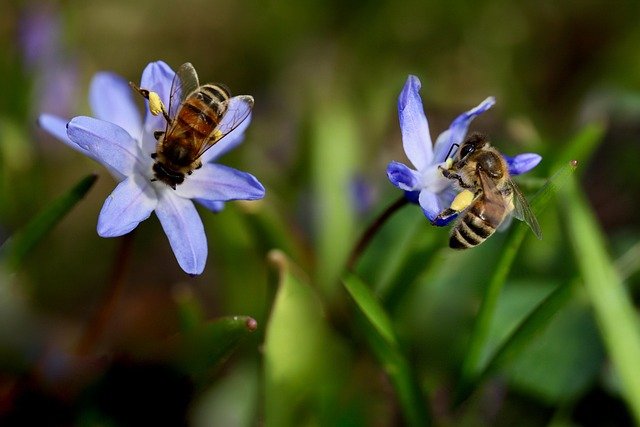
These drones are designed to mimic the behavior of natural pollinators. Equipped with sensors and cameras, they can identify flowers and determine the optimal approach for pollination. Their small size and agility allow them to navigate complex environments, much like their natural counterparts. By coordinating in swarms, these drones can cover vast areas, ensuring that every flower is pollinated.
Technology Behind Drone Swarms

The Mechanics of Pollination Drones
Each drone in the swarm is equipped with a suite of advanced technologies. From GPS navigation to artificial intelligence, these drones are built to operate autonomously. They are programmed to recognize flowers, collect pollen, and transfer it efficiently. This technology ensures that the pollination process is both precise and effective, reducing the need for manual intervention.
AI and Machine Learning in Drones
Artificial intelligence plays a crucial role in the operation of bee-like drone swarms. Machine learning algorithms enable these drones to learn from their environment, improving their efficiency over time. By analyzing data from each flight, they can adapt to different conditions and optimize their pollination strategies.
Benefits of Drone-Based Pollination
Increased Efficiency and Yield
One of the primary benefits of drone-based pollination is increased efficiency. Unlike traditional methods, drones can cover large areas quickly and with minimal human intervention. This not only reduces labor costs but also increases crop yields. Farmers can expect higher productivity and better returns on their investment.
Environmental Impact
While the environmental impact of drones is still being studied, early indications suggest that they could be a more sustainable option compared to traditional pollination methods. By reducing the reliance on chemical pesticides and minimizing habitat disruption, drone-based pollination could play a pivotal role in promoting biodiversity and environmental health.
Challenges and Considerations
Technical Limitations
Despite their potential, bee-like drone swarms are not without challenges. Technical limitations, such as battery life and sensor accuracy, can impact their effectiveness. Ongoing research and development are essential to overcome these hurdles and ensure the reliable operation of these drones.
Ethical and Regulatory Issues
The use of drones in agriculture also raises ethical and regulatory concerns. Issues such as privacy, airspace regulation, and the impact on natural pollinators must be carefully considered. Policymakers and industry leaders must work together to establish guidelines and regulations that balance innovation with responsibility.
The Future of Drone-Based Pollination
Innovations on the Horizon
The future of drone-based pollination looks promising, with ongoing innovations poised to enhance their capabilities. Researchers are exploring new materials, energy sources, and algorithms to improve the performance and efficiency of these drones. Industry leaders are investing heavily in development, signaling a bright future for this technology.
Integrating Drones with Traditional Farming
As technology evolves, the integration of drones with traditional farming practices will become increasingly important. By combining modern technology with time-tested methods, farmers can create a more sustainable and efficient agricultural ecosystem.
Conclusion
In conclusion, bee-like drone swarms represent a significant advancement in the field of agriculture. As the challenges of traditional pollination methods continue to grow, these innovative solutions offer a viable alternative. With ongoing research and development, the future of drone-based pollination looks bright, promising increased efficiency, sustainability, and crop yields for farmers around the world.
For those interested in learning more about the potential of drones in agriculture, check out our internal resources on agriculture drone technology.
For more insights, Check out our precision farming guide.
Need official data? Explore official USDA resources.
—
Additional Resources:
Related Posts: Can the XAG R150 UGV and Agricultural Drones Work Together for Maximum Efficiency? | These Agriculture Spray Drones Are Changing Farming Forever – Get Yours Now!
External Resources: AgWeb | FAO
—
Related Posts: Drone Data Analytics: Turning Aerial Images into Actionable Insights | How Agriculture Drones Are Revolutionizing Modern Farming
External Resources: USDA | AgWeb
—
Got Questions about Ag Drones or AI in farming? Check our FAQ
Or contact us for business information or sponsorship arrangements: Contact
Related Posts: The Business of Drone Farming: How Entrepreneurs Are Making Money with Ag Drones | Transform Your Farm with AI! 🌱 A Beginner’s Tutorial Guide to OneSoil
External Resources: FAO | AgWeb
Get Practical Ag Drone Updates
Join for field-tested reviews, regulation updates, and buying guides.