The #1 source for up-to-date news on agricultural drones, precision farming, automation, and AI in agriculture.
Stay up to date with the latest Ag-Technology innovations!


Drones and Fertilizer Distribution: Maximizing Efficiency and Reducing Waste
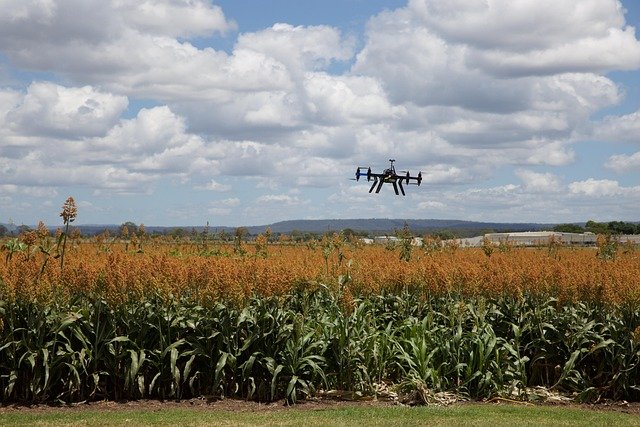
Imagine a world where farmers have a bird’s-eye view of their fields, allowing them to distribute fertilizers with pinpoint accuracy, ensuring every plant gets the nutrients it needs while reducing waste. This isn’t a scene from a science fiction movie; it’s the reality made possible by drones in agriculture. In this blog, we will explore how drones are revolutionizing fertilizer distribution, maximizing efficiency, and minimizing waste.
The Rise of Drones in Agriculture
Drones, or Unmanned Aerial Vehicles (UAVs), have been a game-changer across various industries, and agriculture is no exception. They offer farmers a unique perspective of their land, providing insights that were previously difficult or impossible to obtain. With the ability to cover large areas quickly and efficiently, drones are transforming how we approach farming, particularly in the realm of fertilizer distribution.
How Drones are Changing Fertilizer Application
Traditional methods of fertilizer application often involve heavy machinery and blanket distribution, leading to over-fertilization in some areas and under-fertilization in others. This not only wastes resources but also harms the environment. Enter drones: these agile devices can fly over fields and apply fertilizers precisely where they’re needed the most.
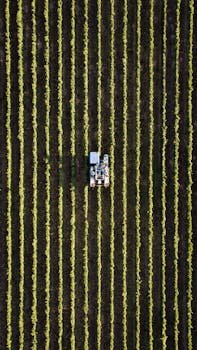
By using GPS technology and sophisticated sensors, drones can map fields and identify areas that require more or less fertilizer. This targeted approach not only maximizes efficiency but also minimizes environmental impact by reducing runoff and pollution.

Benefits of Using Drones for Fertilizer Distribution
Precision Agriculture at Its Best
Drones enable precision agriculture, which is all about making farming more accurate and controlled. By utilizing data collected from drones, farmers can make informed decisions, ensuring that every acre is treated appropriately. This level of precision ensures that crops receive the exact amount of nutrients they need, promoting healthier plants and better yields.
Time and Cost Efficiency
In farming, time is money. Drones significantly reduce the time it takes to survey fields and apply fertilizers. What might take a tractor several hours can be accomplished by a drone in a fraction of the time. This efficiency translates into cost savings on labor and fuel, making drones a smart investment for modern farmers.

Environmental Benefits
Reducing waste isn’t just good for the farmer’s bottom line; it’s also better for the planet. Over-application of fertilizers can lead to nutrient runoff, which pollutes waterways and harms ecosystems. By using drones to apply fertilizers precisely, farmers can minimize these negative environmental impacts while promoting sustainable agricultural practices.
Challenges and Considerations
While drones offer many benefits, there are challenges that farmers must consider. For instance, the initial investment in drone technology can be significant. Additionally, farmers need to be trained to operate drones and interpret the data they collect.
Regulatory issues can also pose a challenge. Depending on the region, there may be strict regulations governing drone usage, which can affect how and when they can be deployed.

Future of Drones in Fertilizer Distribution
Technological Advancements
As technology continues to advance, the capabilities of drones are expected to expand. Future drones could incorporate artificial intelligence to further refine the precision of fertilizer application. Imagine drones that can learn from past applications, adjusting their techniques to improve efficiency and effectiveness continuously.
Integration with Other Technologies
Drones are likely to be integrated with other technologies such as IoT devices and big data analytics, providing a more comprehensive approach to crop management. This integration could offer farmers even deeper insights into their fields, leading to better decision-making and improved crop yields.

Conclusion
The use of drones in fertilizer distribution is a testament to how technology is reshaping traditional industries. By maximizing efficiency and reducing waste, drones not only help farmers increase their productivity but also promote sustainable agricultural practices. As we look to the future, the role of drones in agriculture is set to grow, paving the way for smarter, more efficient, and environmentally friendly farming techniques.
Embracing drone technology is not just about keeping up with trends; it’s about leading the charge towards a more sustainable and productive agricultural future. So, the next time you see a drone soaring over a field, remember that it’s not just capturing breathtaking aerial views—it’s a crucial tool in the modern farmer’s arsenal, working tirelessly to maximize efficiency and reduce waste.

Let’s embark on this drone-driven journey and witness the transformation of agriculture as we know it.
For more insights, check out this post.
Need official data? Explore USDA.
—
Additional Resources:
Related Posts: The Role of Drones in Livestock Monitoring and Management | Can the XAG R150 UGV and Agricultural Drones Work Together for Maximum Efficiency?
External Resources: AgWeb | AgFunder
—
Related Posts: The Future of Ag Robots: Drones as the First Step in Full Automation | Game-Changing Spray Drones! 🚀 Where to Buy them and the Best Deals Now
External Resources: USDA | AgWeb
—
Got Questions about Ag Drones or AI in farming? Check our FAQ
Or contact us for business information or sponsorship arrangements: Contact
Related Posts: Welcome the DJI Agras T40 – In Depth Review of the Agri Spray Drone | Automating Sentinel-2 NDVI Analysis in OneSoil: A Step-by-Step Integration Guide
External Resources: AgFunder | USDA
Get Practical Ag Drone Updates
Join for field-tested reviews, regulation updates, and buying guides.