The #1 source for up-to-date news on agricultural drones, precision farming, automation, and AI in agriculture.
Stay up to date with the latest Ag-Technology innovations!

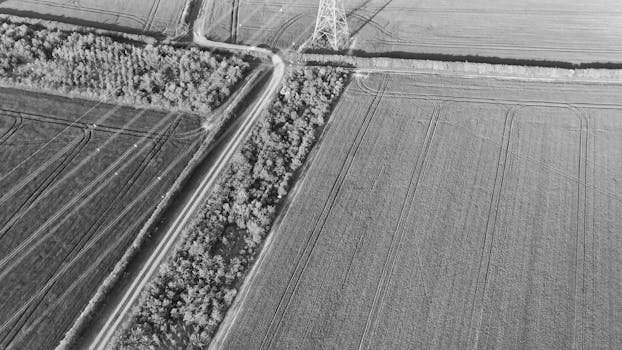

Sentinel-2 vs. Fixed-Wing NDVI Drones: Cost, Accuracy, and Efficiency Breakdown for Precision Agriculture
In the vast field of precision agriculture, the debate between using Sentinel-2 satellite imagery and fixed-wing NDVI drones is akin to choosing between a high-resolution satellite TV and a personalized streaming service. Both offer unique advantages and cater to different needs, but which one truly benefits the modern farmer looking for accuracy, cost-effectiveness, and efficiency? Let’s delve into this comparison and determine which technology reigns supreme.
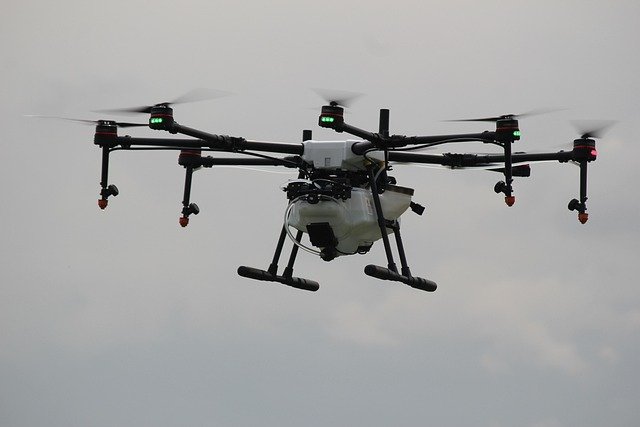
The Foundation of Precision Agriculture
Precision agriculture has revolutionized the way farmers approach crop management. By leveraging advanced technologies, farmers can monitor their fields with unparalleled accuracy, ensuring optimal crop health and productivity. At the core of this innovation are two pivotal technologies: Sentinel-2 satellites and fixed-wing NDVI drones.
Sentinel-2: A Bird’s Eye View from Space
Sentinel-2, part of the European Union’s Copernicus Programme, comprises a pair of satellites equipped with multispectral imaging capabilities. These satellites orbit the Earth, capturing detailed images that farmers and agronomists use to monitor vegetation health.
Key Features of Sentinel-2:
- High-Resolution Imagery: Provides 10-meter resolution, allowing for detailed analysis of large agricultural fields.
- Multispectral Imaging: Offers 13 spectral bands, enabling in-depth analysis of vegetation indices like NDVI (Normalized Difference Vegetation Index).
- Wide Coverage: Covers large areas in a single pass, making it ideal for monitoring extensive fields or multiple farms.
- Frequent Revisits: Each spot on Earth is revisited every 5 days, ensuring up-to-date data collection.
- Cost: Free access to data, significantly reducing the financial burden on farmers.
Fixed-Wing NDVI Drones: Precision and Flexibility
Fixed-wing NDVI drones provide an up-close, customizable approach to field monitoring. Unlike satellites, these drones can be deployed on-demand, offering farmers flexibility and precision tailored to their specific needs.
Key Features of Fixed-Wing NDVI Drones:
- High Precision: Capable of flying at lower altitudes, providing centimeter-level resolution.
- Customizable Flight Plans: Can be programmed to focus on specific areas of interest, ensuring targeted data collection.
- Real-Time Data: Offers immediate insights, allowing farmers to make timely decisions.
- Versatile Operations: Suitable for small fields or challenging terrains where satellite coverage may be limited.
- Cost Considerations: Initial investment and operational costs, including maintenance and pilot training, can be significant.
Cost Analysis
When it comes to cost, the choice between Sentinel-2 and fixed-wing NDVI drones can be influenced by several factors, including the scale of operation, budget constraints, and specific agricultural needs.
Sentinel-2 Cost Considerations:
- Data Access: Free access to imagery reduces ongoing costs.
- Processing Software: Requires investment in software for data analysis.
- Indirect Costs: Integration with existing farm management systems may incur costs.
Fixed-Wing NDVI Drone Cost Considerations:
- Initial Investment: Purchasing a drone can range from a few thousand to tens of thousands of dollars.
- Operational Costs: Includes maintenance, insurance, and potential repair expenses.
- Training Costs: Operators may need training to effectively manage drone flights and data collection.
Accuracy and Efficiency
Both Sentinel-2 and fixed-wing NDVI drones offer distinct advantages in terms of accuracy and efficiency, but each excels in different scenarios.
Sentinel-2 Accuracy and Efficiency:
- Broad Coverage: Excellent for large-scale monitoring, providing consistent data for vast areas.
- Moderate Resolution: Suitable for general crop health assessments but may lack the detail required for specific interventions.
- Regular Updates: Frequent revisits ensure current data, aiding long-term crop management strategies.
Fixed-Wing NDVI Drone Accuracy and Efficiency:
- High Resolution: Ideal for identifying specific issues like pest infestations or irrigation problems.
- Flexible Operations: Can be deployed as needed, offering targeted assessments during critical growth stages.
- Detailed Data: Provides in-depth insights that can drive precise interventions and optimize resource use.
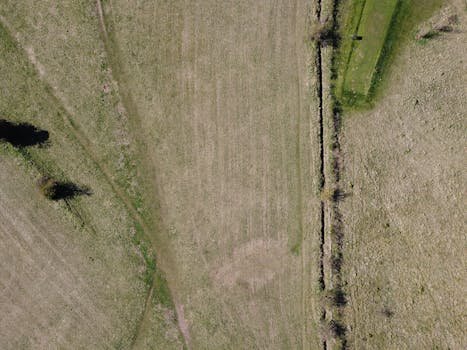
Making the Right Choice for Your Farm
Choosing between Sentinel-2 and fixed-wing NDVI drones depends largely on your farm’s specific needs and operational goals.
Consider Sentinel-2 If:
- You manage large agricultural areas and require consistent, broad coverage.
- Budget constraints necessitate minimizing ongoing costs.
- You prioritize long-term crop health monitoring over immediate interventions.
Consider Fixed-Wing NDVI Drones If:
- Your focus is on small to medium-sized fields where high-resolution data is crucial.
- You need immediate insights to address specific crop health issues.
- You are willing to invest in technology that offers flexibility and precision.
Conclusion
Ultimately, both Sentinel-2 and fixed-wing NDVI drones play invaluable roles in precision agriculture. By understanding their unique strengths and limitations, you can make an informed decision that enhances your farm’s productivity and sustainability. Whether you opt for the broad, consistent coverage of Sentinel-2 or the precision and flexibility of fixed-wing NDVI drones, embracing these technologies will empower you to cultivate healthier crops and achieve greater agricultural success.
Further Reading and Resources
- Sentinel-2 Data Access: ESA Copernicus
- Drone Technology for Precision Agriculture: AgFunder Network Partners
- NDVI in Agriculture: FAO NDVI Resources
Join the Conversation
Have you used Sentinel-2 or fixed-wing NDVI drones in your farming operations? Share your experiences and insights in the comments below. We’d love to hear how these technologies have impacted your agricultural practices.
—
Additional Resources:
Related Posts: The Future of Agriculture Drones in 2025: Smarter, Faster, and More Efficient | AI Farming Software in 2025: What Works, What Doesn’t, and How to Choose the Best
External Resources: USDA | AgWeb
—
Related Posts: Drone Data Analytics: Turning Aerial Images into Actionable Insights | What’s Next for Drone-Based Pollination? A Look at Bee-Like Drone Swarms
External Resources: AgFunder | USDA
—
Got Questions about Ag Drones or AI in farming? Check our FAQ
Or contact us for business information or sponsorship arrangements: Contact
Related Posts: Welcome the DJI Agras T40 – In Depth Review of the Agri Spray Drone | Case Study: Farmers Increasing Profits with Drone Technology
External Resources: FAO | AgWeb
Get Practical Ag Drone Updates
Join for field-tested reviews, regulation updates, and buying guides.